Stonehenge: What We’re Finally Learning
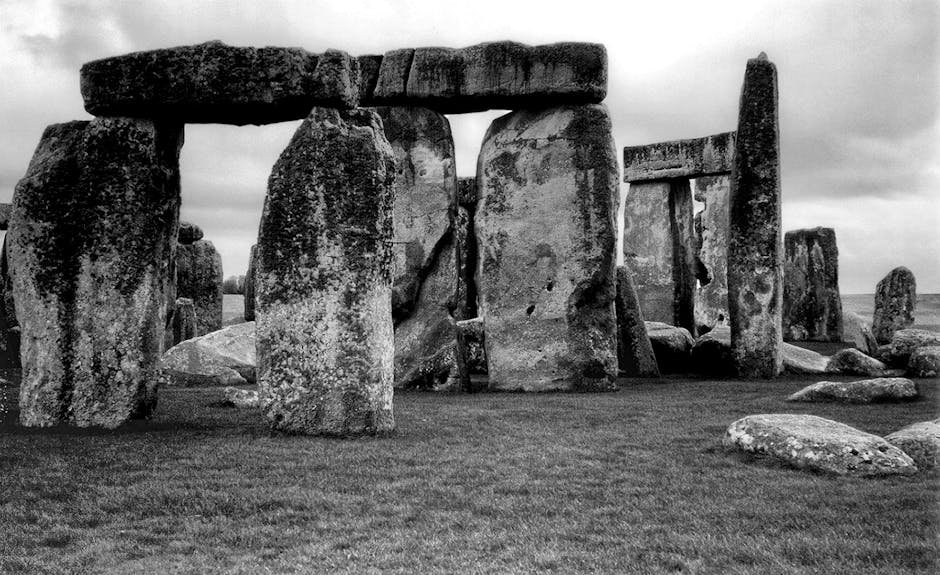
Still think you know everything about that big pile of rocks? Ha! Think again. After all these thousands of years, some of the deepest secrets about Stonehenge origins are finally bubbling to the surface. And it’s hella wild. This ancient site, just sitting on the windy plains of southern England for over 5,000 years, has always been so mysterious. Who built it? Why? How in the world did they move those gigantic stones without even a wheel?
Good news, though. Recent breakthroughs, all thanks to new science stuff, are figuring out bits of this massive puzzle. It’s like slowly piecing together a huge jigsaw without the box top for reference. But suddenly, a clear picture starts to pop out.
A 1500-Year Saga: Stonehenge’s Many Phases
This wasn’t some quick weekend job. Stonehenge was put together over a ridiculously long time. We’re talking a staggering 1500 years. Just imagine that. It wasn’t just one bunch of people. Nope. It involved multiple distinct phases and cultures, with each group adding their own mark, building on what their ancestors started.
Machu Picchu? Done way later. Around 1450 AD. Moai statues on Easter Island? Just a couple hundred years before that. The Parthenon in Athens? Built around 500 BCE. But by then, Egyptian pyramids had been up for ages. Like 2,000 years. And Stonehenge’s first bit dates back to around 3100 BCE, with proof of even older activity in the area from way back in 8500-7000 BCE.
Roughly 50 generations of people. No written language. Yet they passed down the know-how, the whole reason, and how to build these mighty structures across time. Talk about seriously smart people. Just incredible.
The Big Effort: Tracking the Stones’ Journeys
The pure size of moving these stones is mind-boggling. We’re talking massive sarsen stones, some weighing up to 40 tons! New research just found where they came from: an area about 25 kilometers north of the site.
Getting them there without wheels or modern gear? Yeah, that’s what still stumps most folks.
Get this, though. This whole thing started with a lost chunk. About 60 years ago, during a fix-up in 1958, a piece of one of the big trilithons had fallen off. To put it back up, they cut a piece from the stone. But that fragment went missing. Then, about two years ago, an 89-year-old man, who’d worked on that original job, remembered he still had it. He brought it back! And analyzing that returned piece allowed researchers to pinpoint the sarsen stones’ exact source. Amazing.
But the bluestones? Talk about a long trip. Like 230 kilometers away. Why did they go to all that effort?
These bluestones make cool sounds. Folks back then thought that sound-producing stones had mystical, healing powers. This has led to some pretty neat theories. Maybe Stonehenge was some old-school healing place, kind of a Neolithic spa, with these special bluestones ferried from afar specifically for their sonic qualities. Who knows?
Heavenly Observations or a Healing Spot?
And another thing: people also figure it worked as a crazy-good observatory for Neolithic people. Much like how we use apps on our phones these days to find stars, these ancient builders used the stones to really watch the sun, moon, and stars.
During certain times of the year, like the solstices, the sun lines up perfectly with specific stones. It’s a breathtaking sight. Today, you can even experience it virtually. Cameras have been placed at Stonehenge to livestream these astronomical events online.
The Builders From Afar: From Anatolia
For years, archaeologists argued about who exactly built Stonehenge. Was it local tribes? Or maybe folks related to early European cultures from the south? Guess what? New DNA analysis just changed everything.
This research, published last year in Nature magazine, suggests some of the main builders weren’t even from England. They came all the way from ancient Anatolia – today’s Turkey – thousands of years before its construction.
These groups, moving west between 6000 and 4000 BCE, especially from the Eastern Mediterranean and Aegean areas, didn’t just bring farming techniques. They also brought this whole culture of building massive stone structures. And another thing: DNA studies of remains buried around Stonehenge show people came from all over Europe to be buried there. Shows how important the place truly was.
Connecting the Megalithic Network
But Stonehenge isn’t alone. It’s part of a much bigger network of stone stuff found across Europe and other places. Think about Göbeklitepe in Turkey, often called the very first big stone structure we know of, going back to around 9500 BCE. So old!
While we don’t have direct proof the same people or their immediate kids built both, these huge, amazing stone monuments… they’re like a pattern. There are over 35,000 megalithic sites identified in Europe alone. And they’re found on every continent except Antarctica. This global thing points to some deep human need to leave a lasting mark on the land.
Modern Science: Picking Apart Old Secrets
So, how we figure all this out now? Good old science. Super important for understanding these old, mysterious places. Back in the ’50s, radio-carbon dating came out. What a game-changer for archaeology! Suddenly, we could nail down when this stuff was built. We could place them exactly on humanity’s timeline.
And now, with fancy DNA mapping, it’s not just the stones we’re dating. It’s the people behind them. This science power links up places and thousands of years, helping us rebuild old trips and how cultures mixed. These ancient folks? Couldn’t write. But they left marks way tougher than any old paper. So, it’s on us. With chemistry, biology, and today’s tech, to hear their quiet stories.
Frequently Asked Questions
Q: How many stones are at Stonehenge, and how heavy are they?
A: Stonehenge is made up of about 85 big stones. The biggest, the sarsen stones, can weigh up to 40 tons. Smaller bluestones usually weigh around 4 tons each.
Q: Where did the stones for Stonehenge come from?
A: New research found the massive sarsen stones came from an area about 25 kilometers north of Stonehenge. The smaller bluestones? They traveled much further away, around 230 kilometers.
Q: Did the builders of Stonehenge migrate from another country?
A: Groundbreaking DNA analysis suggests some of the main builders migrated from ancient Anatolia (modern-day Turkey). This was between 6000 and 4000 BCE, and they brought a culture of farming and building with big stones.