California’s Food Revolution: Lab Meat Hits Plates
Ever wonder what the future of food really tastes like? Picture this: it looks, cooks, and eats just like regular meat. But without ever hurting an animal. Not science fiction anymore, folks. Especially not here in California. California Lab-Grown Meat? It’s not just in the lab now. It’s hitting plates. A massive shake-up for our whole food setup. Game-changer. It promises to feed loads more people. And in a better, more guilt-free way.
So Many People, So Much Meat. We Need New Ways to Eat
Planet’s getting packed. So fast. Just two thousand years ago, Earth only had like 150 million people. By 1900, bam—1.6 billion. Now, in 2024? Over 8.1 billion. That’s a huge jump. It means we need way more food. And our cravings, especially for meat, are exploding too. Since the 1960s alone, global meat eating shot up nearly 23 times. We’re maxing out our natural limits. Seriously.
Think about it for a second. Feeding this many people with old-school methods just pushes harder and harder against the very stuff that keeps us alive. We gotta eat smarter.
Raising Animals Takes a Lot—Seriously, a Lot—and Gums Up the Works
Old-fashioned farming, especially that with animals, guzzles resources. Like a whole lot. Take a cow. Takes 25 to 30 calories worth of feed just to get one measly calorie of tasty beef. For chicken, sure, it’s better, like 5:1. Still, super inefficient. If you fed 30 people corn straight up, 29 would starve if that same corn went to make just one serving of beef instead. A real resource and energy mess. Especially when people are starving worldwide.
And another thing: the environmental hit. One cow can churn out 100 kilograms of methane every year. Nasty stuff, that gas. Pile on all the feed, the water, the land used for these animals, and it’s a grim picture. Livestock farming cops about 15% of all greenhouse gas emissions globally. With demand just going up and up, those numbers are heading only one direction. Up. Sure, plant-based diets are an option, but getting everyone to ditch their steaks? Tough sell. We needed a different answer.
Cultivated Meat: A Smart, Clean, Planet-Friendly Solution
Enter cultivated meat. Sounds space-age, maybe a bit wild. But the science? It’s been cooking for years. And this year? Total win. Right here in California. Two pioneering companies got the crucial OKs from the FDA. Then, really fast, the USDA too. That means cultivated chicken and other lab-grown meats? Officially cleared for sale. Already at some restaurants.
This isn’t some science experiment tucked away; it’s on your menu. And the price? Yeah, a bit high right now. But it’s falling quick. Bound to get even cheaper.
California’s Leading the Way, Green-Lighting Lab Meat and Getting it to Market
Why California, you ask? Because this state always pushes boundaries. From tech to tasty eats. No surprise our innovators are front and center in sustainable food. This wasn’t just hopping a regulatory hurdle. It’s a statement. Our local tech and food game just makes the impossible feel, well, totally likely. These approvals mean a massive food revolution is here.
Lab-Grown Meat Grows Super Fast (Think 2 Weeks vs. 2 Months for Chicken!) and It’s Cleaner
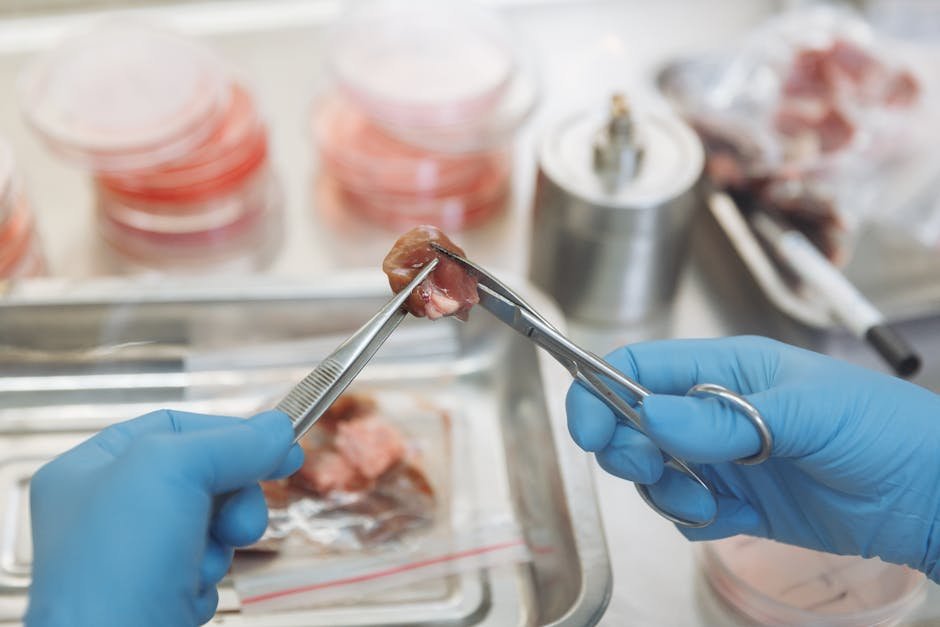
How’s it work? Basically, it’s special cell growing. Scientists grab a tiny piece of tissue from an animal. Sometimes no bigger than a grain of rice. Millions of cells inside. From there, they pick the best cells. Then grow them in big, clean bioreactors. These cells get the perfect setup, just like their natural environment. And they multiply. Right into muscle tissue.
The speed? Incredible. Regular chicken farming takes 6-8 weeks to grow a bird. Cultivated meat? Just two weeks. Hella fast. Which means we can feed way more people, way faster. And without live animals? The whole process is much, much cleaner. Kiss goodbye to salmonella risks and those other nasty bugs that often stick to regular meat. Because of the sterile lab vibes, you’re getting a way safer product. So much less chance of bacteria and parasites you usually find in raw meat.
Honestly, It Tastes Like the Real Deal. No Fooling
Here’s the big question: Does it taste like chicken? Everyone who’s tried it—top chefs, the picky food critics, even early customers—they all say it tastes exactly like normal chicken. Texture too. Researchers really dug into what makes meat, well, meat. The flavor. The nutrients. That chewiness. The idea was never to make an alternative. Nope. A meat duplicate.
And even how it looks, like cultivated salmon or chicken, is practically identical to the usual stuff. If you didn’t know, you’d never guess it was grown in a lab. That’s a huge win for getting people to accept it.
Not Just a New Product; It’s a Whole New Way to Feed the World Without Animal Slaughter
This isn’t just another thing in the grocery store. It’s a whole new way of doing things. Cultivated meat gives us a path to dodge all the environmental and ethical headaches of factory animal farming. All while still giving people the protein and delicious food experiences they want. It’s a super smart answer to some of the toughest questions we face: How do we feed billions? Sustainably AND ethically?
Yeah, it’s normal to have questions. Even be a bit wary. Our brains totally want to trust “natural” stuff. But this tech has been around, researched for ages. And these recent approvals? They show it’s safe and ready to rock. So, this new idea will give us a big, green, guilt-free choice. It’s totally rewriting our global food story.
Questions People Keep Asking
Q: Is California lab-grown meat safe to eat?
A: Oh, yeah. Completely. Californian companies got the green light from both the U.S. Food and Drug Administration (FDA) and the U.S. Department of Agriculture (USDA). Big thumbs up. So it’s totally cleared on safety.
Q: How fast does this cultivated meat grow compared to regular meat?
A: Super fast. Cultivated meat can be served in just about 2 weeks. Way quicker than traditional chicken farming, which needs more like 6-8 weeks for birds to get big enough.
Q: Does lab-grown meat taste different from the usual stuff?
A: Nope. Everyone who’s tried it says the taste? Identical. Nutrients? Also the same. Basically, it’s meat. No way you’d know the difference.