Opel Astra H: What You Need to Know (Before You Regret It)
Remember that satisfying thunk? You’d slam the Opel Astra H door. Felt like a tank, didn’t it? A seriously sturdy German wagon. For tons of drivers, that sound wasn’t just metal clanging; it was pure, affordable armor. Gave you this feeling of unshakeable road safety. But the real story? That heavy, metallic thunk often hid some major Opel Astra H problems. Especially with the engine and transmission.
Built Tough? Nah. More Like “Looks Tough.”
People totally swore by the Astra H. Thought it was this unyielding block of steel. Built to protect, right? Turns out, the real secret behind that door sound wasn’t super thick German metal. It was just over-tensioned door stays. Engineered for that stiff, robust feel. But once that key turned, and it was rolling? Things got a little… weird. This heavy, confident shell started torturing its smaller engines. From the radio volume spiking when you hit the turn signal (pure electronic chaos, honestly!), to that totally dreaded ‘F’ error on the dash. Yeah, the Astra H had character. Lots of it.
The 1.3 CDTI Diesel: Torque Fail and Turbo Lag Hell
The 1.3 CDTI diesel engine, popped into loads of Astra H models, was a proper head-scratcher. On paper, 90 hp and 200 Nm of torque from a tiny 1248 cc unit, even with a fancy variable geometry turbo, sounds okay. Especially for a lighter car. Like an Opel Corsa. But strap that little engine into the Astra H’s notably hefty body? Oh, boy. Recipe for pure frustration.
Owners quickly found a massive dead-zone at low RPMs. And massive turbo lag. This wasn’t just tiny engine syndrome. Something sneaky, electronic, was going on. The Magneti Marelli engine computer, trying to hit Euro 4 emission rules, used this overly strict “smoke limiter” software. What it did? This program electronically stopped fuel injection until the turbo pressure hit a certain level. No fuel means no exhaust gas. No exhaust gas means no turbo spin. No turbo spin means the computer never got the pressure data it freaking needed. And you’d stomp the gas. Car just floundered. A self-imploding cycle.
Picture this nonsense: you’re on a steep hill in your 1.3 CDTI Astra H. First gear. Off the brake. Gas pedal down. Car basically refuses to move an inch. Not until the engine screeches to 1750-2000 RPM. And the turbo finally wakes up. Drivers, trying to avoid stalling or rolling backward, had to dump the clutch and rev it hard. This forced driving habit was a death wish. For one of the most expensive moving bits between the engine and transmission: the dual-mass flywheel. Supposed to dampen vibrations. Eventually, it loses its internal springs. From constant heat. From all that clutch slip. Clunking noises when shifting? Or turning off the engine? A violent shudder under your foot when you push the clutch at idle? Those are huge red flags. Expect a big fat bill.
And another thing: the mechanical nightmares didn’t stop there. That constant half-clutch abuse. Those sudden low-rev torque bursts. They hammered the gearbox right behind the flywheel. The 1.3 CDTI Astra H often came with the M20 6-speed manual, a cousin of the notoriously troublemaking Getrag M32. This gearbox uses a tiny bearing for 1st, 2nd, 5th, and 6th gears. It takes a HUGE load. Ignore transmission fluid changes. Or spend too much time on the highway, flying in 5th or 6th under high torque. Those bearings will wear out.
M20 Gearbox Super Hot Tip: If that gear stick wobbles back and forth in 5th or 6th when you’re accelerating or slowing down, or you hear a deep hum from the transmission side? Those bearings are probably failing. Don’t ignore it. You’re looking at shattered gears. And a broken transmission casing.
Also, keeping the engine below 1500 RPM for that turbo lag? Caused serious carbon buildup. EGR valve. Intake manifold. Unburnt fuel and oil vapor literally solidify. Turns into this tar-like muck. Chokes the engine’s already weak low-end. Also clogs the MAP sensor. Gives you wrong pressure readings. A P0234 error code. Limp mode, locking the engine under 3,000 RPM. This is why mechanics always told 1.3 CDTI peeps: “Drive it hard! Don’t shift until the turbo’s fully spooled!”
Sometimes, sudden power loss? Might get you a massive bill for a “dead turbo.” But often, the real problem is just a leaking brake vacuum pump. Or a cracked vacuum hose. That hose stops the turbo’s variable geometry vanes from opening. Seriously, always check those dinky vacuum hoses first. A cheap hose replacement can literally save you thousands of bucks.
Stage 1 Software Tuning: Diesel’s Secret Weapon
The best fix for the 1.3 CDTI’s hill-climb struggles. And the turbo lag. Found it? Digital wizardry. Stage 1 software tuning. Safely recalibrating that Magneti Marelli engine’s ECU. Stripping away those picky emission shackles (within safe, non-smoking limits). The 90 hp/200 Nm engine could jump to about 110 hp and 245-250 Nm of torque. More important? The torque curve shifted way lower. Often to 1500 RPM. Eliminating that famous clutch-slipping fight on hills. Goodbye, dreadful turbo lag. This can make the Astra H a much more relaxed drive. A really big deal.
Gasoline Engines: The Valve Battle (Especially with LPG)
Thought gas engines might save you from mechanical drama? Nope. Not quite. Gasoline engines, especially when given that must-have LPG conversion, faced their own sneaky battle: premature valve wear.
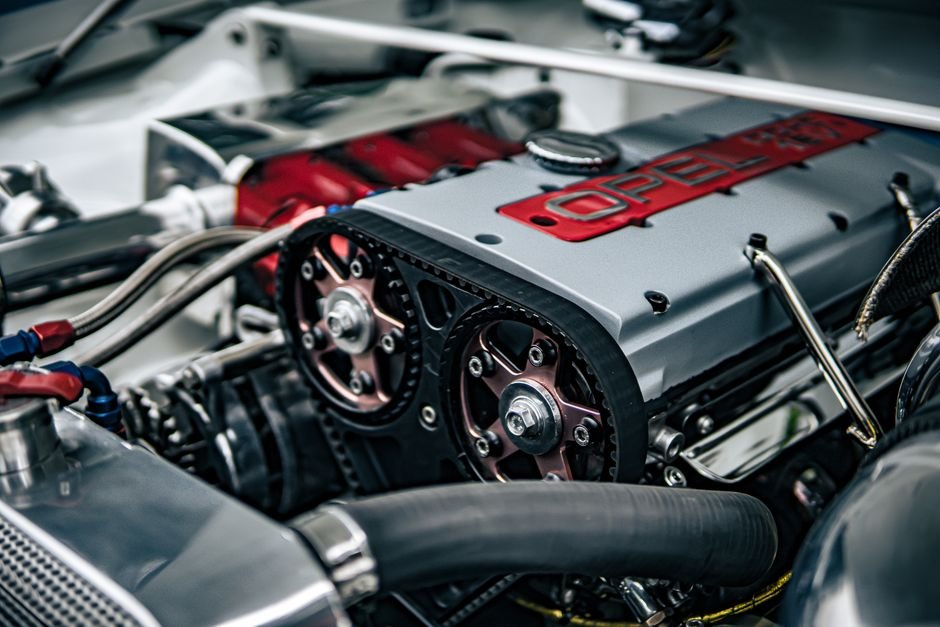
Early Astra H models: 105 hp Twinport (Z16XZP). Later came the 115 hp VVT (Z16XER) engines. These Ecotech engines were quiet, durable, when just using gasoline. German engineers designed the cylinder head to get cooling and lubrication from liquid gasoline. But the second a car left the dealer for an LPG conversion (super common because of fuel prices!), the problems started. LPG burns in a gas phase. Lacks gasoline’s cooling, lubricating stuff. These engines also used rigid mechanical tappets. No self-adjusting hydraulic ones. High heat made the valves lengthen. So, no tappet clearance. Valves just stayed open. Super-hot flames roaring past the open valve edges? They would literally burn. Pit the valves. Leads to rough idling. Tractor-like vibrations. Lost compression. The only real fix? Replacing the cylinder head. And putting in hardened steel valves. Fun times.
Also, another sneaky Astra H problem is the oil cooler gasket. It’s under the exhaust manifold. Overfilling the engine with more than 4.5 liters of oil pushes up crankcase pressure. This makes those gaskets melt from the heat. Oil mixes with the coolant. One morning, you pop the hood. Find brownish crud. Like tahini. Or chocolate pudding. In your coolant tank. Instead of water. That’s a bad sign. If you ignore it, this sludge clogs the heater core. Bursts hoses. Causes serious cylinder head gasket damage.
Electronic Gremlins: CM Module & Easytronic’s “F” Word
Get inside the cabin. Two major electronic surprises could be waiting. Imagine night driving: some idiot cuts you off. You hit the horn. Nothing. Try turning down the radio from the steering wheel. Horn blares. Eventually, you turn the car off. Turn it back on. And suddenly, it won’t read the key. Immobilizer error. Car won’t start. Typical day.
This electronic wildness is the CM (Steering Column Integration) module. The heart of the cabin electronics. Opel engineers cut costs. Combined wipers, headlights, horn, cruise control, radio controls. All into one board. But constant road vibrations. Temperature swings. They cracked the delicate solder joints on that circuit board. Over time. Opel’s brilliant fix? A simple metal clip. The CAM clamp. To press the module casing tighter. Electronic specialists usually rip the module apart. Reflow the cold solder joints. Bend the pins. Permanent solution.
But that steering wheel ghost? Tame. Compared to the merciless robot underneath the gear stick: the Easytronic transmission. This isn’t a proper automatic, not really. It’s a normal manual gearbox with an electro-hydraulic robot system. That robot presses the clutch. Changes gears. Get ready for jerky shifts. That famous “head nod” with every gear change. And a nasty habit of rolling back on hills (no hill-start help, sorry).
The Easytronic’s biggest legend, though? That sudden ‘F’ (for “fault”) error. Pops right up on the display. Car won’t start. Transmission locks up. You’re stuck. Tow truck time. The most common reason for this robotic meltdown? Worn-out 12-volt carbon brushes. Inside the actuator motor. Some shady mechanics might try shaving down 220-volt motor brushes. From vacuum cleaners. Or drills. This can short-circuit the transmission control unit. Doubles your repair costs. Big ouch.
Many drivers treat the Easytronic like a sealed, zero-maintenance automatic. Massive mistake. The clutch robot shares hydraulic fluid with the brake system. This fluid needs changing. And bleeding. Every 30,000 miles. Ignore it? Neglected fluid sucks up moisture. Turns to sludge. Rots seals. Causes pressure leaks. Leads straight to that nasty ‘F’ error.
Here’s a deeper secret about that ‘F’ error: sometimes your transmission is perfectly fine. The Easytronic TCU talks to the engine ECU. Via a CAN bus line. If you’ve got a simple misfiring ignition coil, old spark plugs, or a bad MAP sensor causing sudden torque variations? The transmission ECU might misinterpret that jolt. Thinks it’s clutch slip. Instantly throws an ‘F’ code. Locks the car solid. So instead of coughing up thousands for a transmission rebuild, sometimes all you need is a stupid ignition coil or spark plug change.
Hidden Car Wizardry
Opel engineers, maybe they knew something, packed in some cool diagnostic tricks. No temperature gauge on the dash? A common “secret ritual” for drivers was holding the “settings” button on the infotainment system for 5-10 seconds. Until you hear a “beep.” Then just keep hitting the “BC” button to enter test mode. There, under “coolant,” you could see the engine’s live water temperature. Pretty neat.
And another thing: that legendary trick for reading error codes. No OBD scanner needed! The “pedal test.” Ignition off. Press the gas and brake pedals. All the way down. Both at once. Turn the ignition halfway on. Car takes a “screenshot.” And the odometer display? Cycles through ECN codes. This lets you diagnose problems before even seeing a mechanic. Pretty damn slick.
Buying a Used Astra H? Read This
Looking for a used Astra H nowadays? You need some key rules. Don’t skip these.
- For 1.6 Gasoline Models: Look at a cold engine. Start it up. Sounds clattery? Kinda like a diesel? Those VVT/VANOS variable valve timing gears are probably worn. Always ask if that precious LPG car had its delicate valves swapped for hardened steel ones. Seriously.
- For 1.3 CDTI Diesel Models: Take it for a drive. Hit a steep hill. Clutch trembles violently on launch? The dual-mass flywheel is dying. More important? If the car visibly shakes like crazy when you turn off the engine, don’t immediately freak out about a 15-20k bill for the flywheel. Often, it’s just a tiny vacuum hose. Under the throttle body. Cracked from the heat. A cheap hose replacement can fix this right up.
- Electronic Checks: Get behind the wheel. Turn on the headlights. Lights on. Now hit the horn. Mess with the steering wheel buttons. Horn doesn’t work? Or honks when you just try to change the radio volume? Or if the car throws an immobilizer error the minute you put the key in? That CM module has busted solder joints. Avoid.
The Opel Astra H. It was a rational. Honest. But often demanding car. In automotive history. We probably cursed it for stalling on hills. Or burning valves on LPG. And definitely throwing an ‘F’ on the dash. But honestly? Expecting stellar muscle from a 1.3-liter engine pulling a 1.3-ton car was never really smart. Despite all the neglect. All the abuse. It still felt safe. Still felt solid. Every single time you slammed that door shut.
FAQs (Quick Answers for Busy Folks)
Can I sort out the 1.3 CDTI’s low-end torque crap?
Yep. Stage 1 software tuning is the usual, totally effective fix. It re-tunes the engine good, usually adding power. And it shifts that torque curve way lower. Better driving. No more turbo lag.
What makes the ‘F’ error pop up on Easytronic transmissions, and how do I dodge it?
The ‘F’ error usually means worn carbon brushes in the actuator motor. Or ignored hydraulic fluid. You have to replace and bleed the transmission’s hydraulic fluid regularly (every 30,000 miles). Also, fix any engine misfires or sensor issues fast. They can trick the transmission into throwing that darn ‘F’ error.
How can I check for typical issues on a used Opel Astra H before I buy it?
For gas models, listen for a clattery engine sound when you cold start it (that means VVT/VANOS wear). And ask about steel valve replacements if it ran on LPG. For diesels, test it on a steep hill. See if the clutch shudders (dual-mass flywheel). Crucially, check for a cheap, cracked vacuum hose under the throttle body if the engine violently shakes when you shut it down. Always try the horn and steering wheel controls. Catch those CM module issues.