The Apology Line: Allen Bridge’s Crazy Confession Art Project in 1980s NYC
Got a secret? Something gnawing at you, a mistake you can’t undo, a crime never confessed? Imagine a phone number. A promise of anonymity. No judgment. Just a chance to talk.
That’s exactly what artist Allen Bridge cooked up for the raw, restless souls of New York City in the 1980s with his infamous Allen Bridge Apology Line. This wasn’t some chill spot for casual chats. Nope. This was where the city’s dark side — and its conscience — met a tape recorder.
What Was the Point of the Apology Line?
Bridge’s idea was simple: a hotline for the unheard. “Attention amateurs and professional criminals,” his flyers shouted. “Blue-collar, white-collar. Get your sins off your mind.” No cops. No clergy. Just an answering machine. The number was slapped on lampposts and public walls all over the city. Callers? Often told to hit up payphones, use fake names. Anonymity wasn’t a suggestion; it was the foundation.
He wasn’t running therapy sessions or offering pardons. This was an art thing. A living, breathing project where the audience — the confessor — actually became part of the art. The setup was wild, yet powerful: call, speak your truth, hang up. Then what? Did it just disappear? Or stick with you?
Why’d Bridge Even Start This?
Allen Bridge wasn’t just some weirdo artist. He had a master’s degree, had shown his work in fancy galleries. But traditional painting eventually felt stale. And another thing: He turned to performance art, drawn to its edgy stuff. Years before the Apology Line, he’d explored crime themes in “Crime Time,” where people spun a wheel for punishment.
His own past? It haunted him. Petty thefts in his youth. Adrenaline rush, you know? Later, after moving to New York in 1977, he stole food out of desperation. Times were tough. That guilt, that nagging feeling, never truly left. He knew he wasn’t alone. So, the Apology Line was his shot at digging into that thing everyone carries, not just for himself, but for countless others dealing with their own dark secrets.
The Phones BLEW UP. Wild Confessions. Scary Stuff
The phones absolutely blew up. Bridge would listen to over a hundred calls a day. New Yorkers, voices trembling or defiant, poured out their souls. From everyday confessions of cheating and minor theft to really messed up stuff like violence, peeping, animal cruelty, even murder. It became like a twisted diary of NYC’s worst, just packed with pain, guilt, and shame.
A kid apologized for hitting a dog. A spouse for making their partner’s life hell. A cop for coercing confessions. But then? The truly disturbing ones. A young man claiming he killed his mother. Another confessing to robbing twenty people and murdering a neighbor. War veterans spoke of horrible things. The pattern often began with a quiet “I want to apologize.” But it escalated, sometimes to racist murders. Honest. Terrifying.
Callers started calling Bridge “Mr. Apology,” giving themselves aliases like “Metro” or “Hard Time.” They knew a human was on the other end, hearing all their messed-up stories, and that made all the difference. The line grew so popular it even had to be expanded with menu options: press 1 for crime, 2 for fraud and so on. Occasionally, if a caller sounded suicidal, Bridge would break his own rules and pick up, try to offer support.
But not everything was regret. A caller named Berny confessed to dozens of robberies, expressed regret. Only to then threaten Bridge. “Now I can steal again tonight… I’m going to kill you, I’m sorry, but it’ll be okay, right?” Berny promised to find him. To bring death in 1981, when Bridge least expected it.
It Nearly Destroyed Him. Burnout, Paranoia, Cops
Berny’s threats weren’t just talk. Bridge felt a real chill. He barricaded his windows. Changed locks. Even bought a gun. That fear of being recognized, of being attacked, never truly left him. Yet, he kept the line open. More aggressive, boastful criminals started calling. Mike Devita, for example, confessed to brutal anti-gay attacks, robbery, stabbing, and murder. No apology. Just a stark, chilling story. And another thing: He used his real name.
When a detective, investigating a local murder, noticed eerie similarities between Devita’s recorded confession and the ongoing case, Bridge faced an impossible ethical bind. Promised anonymity. That sacred trust shattered. He struggled with it, but eventually found a middle ground: playing Devita’s confession on a public radio show. He never learned if Devita was caught.
Bridge’s obsession got deeper, especially with a guy named Richie, who said he was a serial killer preying on gay men. Richie called for five years, bragging about new killings, no hint of remorse. Bridge became fixated. He saw Richie as the ultimate “cold-blooded maniac” he hoped to understand, maybe even stop. His wife, Marisa, and a psychotherapist friend, Tina Bart, saw the danger. They begged him to stop.
Richie even sent photos of dead victims, chilling poems, invited Bridge to dinner. Drawn in. Against reason. He scrapped the “no police” rule from his answering machine, shared everything with a detective. They traced Richie’s call to Philadelphia. His real name was James, a guy previously jailed for explosives. But nothing to nab him.
Desperate, Bridge went to Philadelphia alone, camera in hand, trying to photograph James’s neighborhood. The cops picked him up. A suspicious character. He gave a fake story, got released, but the encounter was a bad wake-up call, showing how far he’d fallen into his own dark art. Richie? All fake. James hadn’t killed anyone. The five-year saga of manipulation, confession, and terror was a big fat lie.
The impact on Bridge? It hit him hard. He was utterly consumed, “burnt out” as his wife described it. He listened to calls non-stop. No sleep. The lack of remorse from many callers, the sheer darkness, wore him down. He’d started the project for understanding, for human connection, but it had turned into a whole different beast.
NYC in the 80s: PERFECT for the Apology Line. Not So Much Later
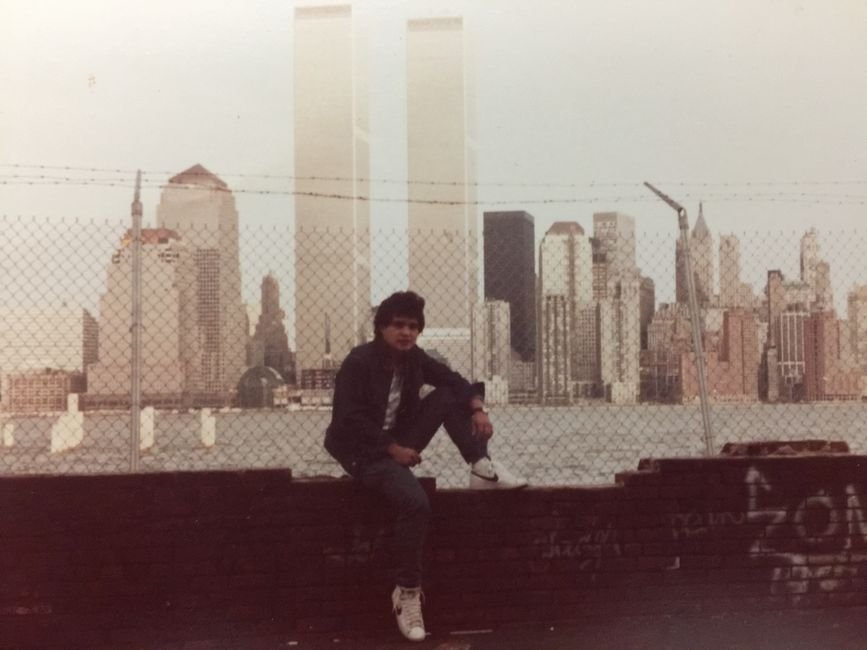
New York City in the 1980s was a different beast. Crime rates were soaring, with thousands of murders a year. The city felt raw, desperate, loud. New answering machine technology. A fresh way to talk to no one important. The Apology Line tapped right into that specific moment. A perfect messed-up collision of urban despair and emerging tech. It felt timely, necessary. A weird outlet for a desperate age.
A Brooklyn artist tried copying the line in 2013, replicating Bridge’s original flyers, setting up a new Google Voice number. But it fell flat. People were curious, sure. Few truly confessed. By then, the city was safer. Calmer. The internet, with its forums and social media, gave everyone countless anonymous outlets. The Apology Line, revolutionary in its era, was simply no longer a big deal. The moment had passed.
So, Where’d the Apology Line Go? And What Even IS ‘Apology’?
In August 1995, after 15 years, Bridge finally closed the line. He was 50. Exhausted. He wanted to reconnect with Marisa, his wife. To dive together at their favorite Long Island beach. But on that day, Marisa stayed behind. Allen went alone. He was swimming, coming out of the water, when a speedboat struck him. The driver sped away, never found.
Marisa, devastated, spoke of what he left behind. If Allen lived, what would he want from the hit-and-run driver? An apology, she believed. Not because the driver was guilty, but because “apology is freedom from pain.”
The Apology Line exposed a weird truth. For some, it offered genuine relief, a chance to get something off their chest. For others? It was a stage for bragging. A place for sick fantasies. Even a twisted excuse for more bad stuff, knowing an “apology” was just a phone call away. It left an unsettling question hanging in the air: What does an apology truly accomplish? Can it cover a crime? Or does it, sometimes, just greenlight more bad stuff?
Frequently Asked Questions
Q: Why’d Allen Start the Apology Line, Anyway?
A: Because of his own guilt about dumb youthful thefts and later stealing food in NYC. He just wanted to figure out how morality and forgiveness worked. For himself, and everyone else.
Q: Did the Apology Line Mess Bridge Up?
A: Totally. Burnt him out. Made him paranoid, too! Even faced death threats! Dealing with cops wanting his tapes was a huge head-scratcher. Really screwed with his head and relationships.
Q: Why Couldn’t Anyone Else Make the Apology Line Work Later?
A: NYC changed. Big time. Way safer then. And everyone had the internet – Facebook, forums, all that stuff. Plenty of ways to hide online. The whole crazy energy from the 80s was totally gone, so the Apology Line just lost its spark.