F1 Tire Wear: Strategy, Safety, & Pure Speed – What Gives?
Ever scratch your head thinking, “How come my trusty car can go 30,000 miles, but those zillion-dollar F1 rockets shred their rubber in just 60 miles?” Not shoddy design, trust me. The real deal behind F1 tire wear? It’s all a deliberately planned, super high-stakes game. This isn’t just about Pirelli; it’s about pushing the engineering to create a specific race vibe.
F1 Rubber: Built to Peel, Not to Endure
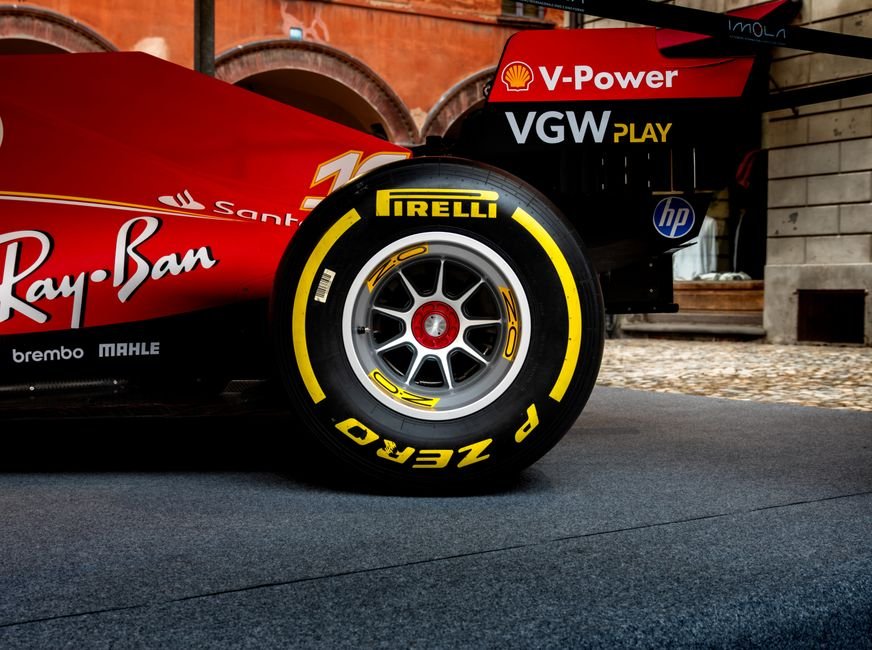
Forget everything you know about standard road car tires. Those things are made to last. But F1 rubber? It’s designed for extreme, rapid wear. We’re talking tires made to wear out. Fast. This quick-wear thing, often called planned obsolescence, is a huge difference in motorsports. It’s totally crucial to the sport.
The contrast is wild. A regular car tire might get you 50,000 kilometers. But an F1 tire? Done for, practically toast, after 100 kilometers of flat-out racing. Unbelievable, right?
The FIA’s Rule: Engineered Mayhem
So, this quick-wearing down? Not an accident. Nope. It’s a choice made by manufacturers, and guys like the FIA totally enforce it. Their rule is simple: build tires drivers have to manage. Why? Because if tires just kept going, races would be boring. Predictable. And another thing: where’s the fun in that?
The action on track, all that nail-biting strategy? It’s actually all planned out ahead of time. Straight from the lab. It’s just all about keeping things exciting.
Pit Stops: Where the Race Gets Wild
The main reason for short tire life is to force pit stops. No tire wear? No pit stops. And no pit stops means no strategic plays, no sudden moves, no crazy stuff happening. Think about it. When a driver ducks into the pit lane, the whole race can just flip on its head in seconds.
These pit stops create a wave of unpredictability. Super important for awesome, engaging race outcomes. They’re the chess moves of an F1 Sunday.
Driver Skill: Battling the Meltdown
Because these tires are meant to break down, it demands tons of skill from the drivers. They aren’t just pushing the pedal; they’re constantly calculating, conserving, and dealing with tire wear. Finding that sweet spot between pushing hard and saving enough rubber for the finish is a huge challenge.
Keeping tabs on your tire’s health during a race is super important. One wrong move. It can mess up your entire strategy.
High Stakes: The Sketchy Side of Extreme Design
But, using these super-fast but short-lived tires has big risks. These tires, pushed super hard, sometimes fail. We’ve seen it happen. A tire blowing out at 300 kilometers per hour can launch a driver straight into a wall. Turning a race move into a dangerous accident.
The cost of this spectacular show, and always chasing speed, can be incredibly high.
Planned Obsolescence: A Tricky Talk
So, does tires breaking down on purpose truly make the sport better, or does it add fake stuff to the competition? Some folks argue it makes for great stories, asking a lot from both engineers and drivers. Others believe it’s an unnecessary complication that can lead to not fair or super risky stuff. The debate continues to rage with everyone.
It makes you wonder: how much “natural” racing talent are we seeing? And how much is just managing a variable they designed?
FAQs
Why do F1 tires wear out so quickly compared to regular car tires?
F1 tires get worn down super fast. On purpose. It creates strategic openings and ups the excitement, totally unlike road car tires which need to last awhile.
Who makes F1 tires wear out fast?
Guys like the FIA tell tire makers, say Pirelli, to design tires specifically to wear quickly. It’s a deliberate shout to shake up race dynamics and make pit stops a must.
Are there safety concerns with F1 tires that don’t last long?
Absolutely. This extreme design means tires are pushed to their limit. So hard they can fail at crazy speeds, like 300 km/h. That can lead to some seriously dangerous accidents.