Explore California’s Tech History: Android’s Wild Ride from Silicon Valley
Smartphones. Everywhere now. Ever wonder how they took over the world? And get this: a huge chunk of that wild ride? Started right here in California. It’s a hella good story, full of big ideas, crazy fights, and just plain weird stuff. Definitely defining the state’s California Tech History playbook. Seriously, ditch those fancy corporate ads. This? The real, dirty truth of Andy Rubin. A guy obsessed with robots. Got laughed out of Samsung, then boom—kickstarted a global takeover at Google.
Android was founded, developed, and acquired by Google right here in California, cementing the state’s central role in its origin story and evolution
Flashback to ’89. Steve Jobs? He was out at Apple. Then, this young computer science whiz from New York shows up in Cupertino. Andy Rubin, just graduated from Utica College. Kicked off as a manufacturing engineer. His desk? A total mess. Piles of circuit boards, motors everywhere. He just tinkered. All the time. Hid microcontrollers in his desk, even. Folks watched his robot mania. Called him ‘Android’. No idea that name would eventually blow up.
After Apple, Rubin kinda bounced around between some genius-but-doomed projects. Think General Magic in ’92. Way, way ahead. Seriously, still a mind-bender to consider. Later, he helped make WebTV. TVs getting internet, back before people even “got” it. Then ’99 hit. Dot-com bubble? Popping all over. But Rubin, with two other ex-Apple folks, started Danger Inc. Their big idea? Make flip phones into tiny computers. Boom. Sidekick. Total cult fave by 2002. Even Larry Page and Sergey Brin used a Sidekick. But you know the drill here in Silicon Valley: Rubin and the money guys fought. He got pushed out of his own biz in 2003. Classic.
He didn’t give up. Not a bit. Rubin just went and launched Android Inc. in California. Right away, with Rich Miner, Nick Sears, and Chris White. And here’s a kicker. First idea? Not phones. Nope. An intelligent system for digital cameras. Called it Android Data Center. Smart, right? But by 2004? That camera market was crashing. Cell phone cameras were just eating it up. So, critical pivot time for the team. A mobile OS. To fight Nokia’s Symbian and Microsoft’s Windows Mobile.
The story really shows the innovation, risk-taking, and tough competition that define Silicon Valley
No fancy office. No fat bank account. This wasn’t some huge, funded company. Just six, maybe eight, people. Crammed in a small California spot. Working on an open-source mobile OS. Zero money. No actual product. Rubin hit up every investor in Silicon Valley. Everyone. But nobody got it. They’d ask, “An open-source mobile OS? Who even wants that?” “Why bother? Nokia and Microsoft already rule the roost!” Always the same answer: a flat-out “No.” Android? Staring down bankruptcy.
Then, a real friend showed up. Steve Perlman, an old buddy from WebTV. Heard Rubin’s desperate call, knew the deal. Company had no cash. Couldn’t pay anyone. Days from gone. Perlman just went to the bank. Pulled out ten grand. Straight cash, man. Handed it to Rubin. Didn’t ask for a piece of the company. Nothing. (Seriously, sometimes belief? Worth more than money.) That $10,000. Price of a luxury phone today. Changed everything. Totally saved Android from dying.
Money bought time. That’s all. Still no product. Still no partners. Rubin hauled his rough software. All the way to Samsung in Seoul. Twenty big shots sat there. Listened to his open-source vision. Their reaction? Total laughter. “Six people? What are you gonna do with that? Start an army?” History, obviously, proved them hella, hella wrong.
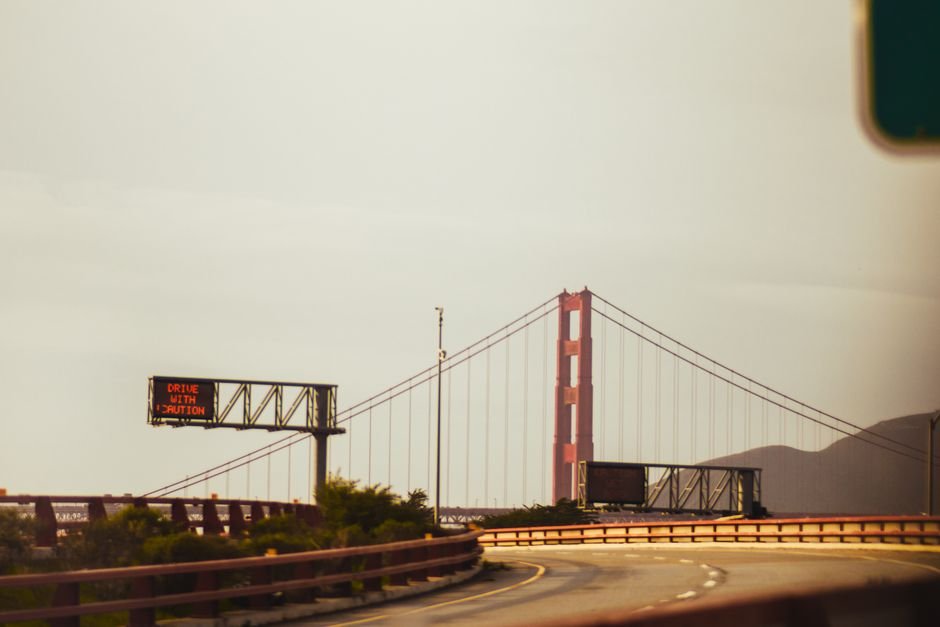
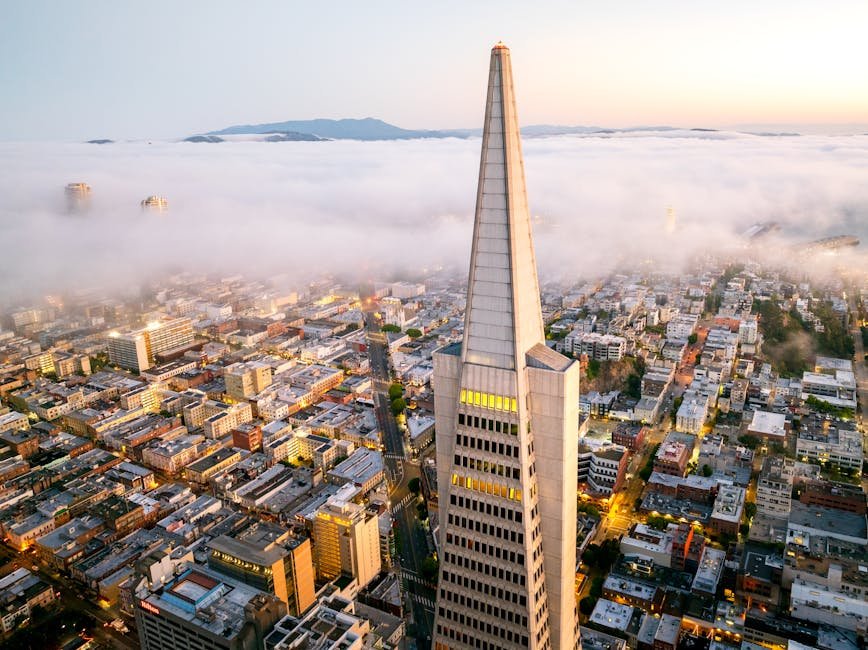
Major Android stuff happened in California spots: Apple’s home in Cupertino, Google’s place in Mountain View, and San Francisco
Back in California? Things changed. Pure fate. Larry Page, already a fan of Rubin’s past stuff, heard about Android. Google, 2005, loads of search engine money. But no mobile play. Big problem. Future? All in pockets. Not on clumsy desktops. Because how would anyone use Google Search if Nokia or Microsoft owned mobile? A true business killer. Straight up.
Google called them up. Invited the Android guys to Mountain View HQ. Rubin showed a really rough prototype. Years from being done. But Page and Brin? Saw it. The huge potential. Immediately. So, pretty quietly, Google bought Android in summer 2005. Around fifty million bucks. Most folks figured it was just another Google tiny buyout. Nothing big. And another thing: for Page and Brin, though? Total game changer. A way into the mobile future. A big one.
Then January 9, 2007. San Francisco stage. Steve Jobs. Black turtleneck. Unveiled the iPhone. No keyboard. No stylus. Seriously. Just a full touchscreen. Fingertip control. Wild. Pinch to zoom. Scrolling? Felt real. Physics right there. This wasn’t just some product being announced. Nah. A complete rewrite. For mobile tech. The whole dang playbook. Word is Andy Rubin was in a car, watching. Pulled over. Told his driver to stop the car. His reaction: “Oh my God, I think we’re going to have to ship that phone!” He meant “Sooner”, their own prototype. That thing? Instantly looked ancient. A total relic. Just like that.
This tale shows the deep hookups and showdowns between California tech titans like Apple and Google, shaping the whole mobile scene
iPhone? Hit Google like a freight train. Just wiped ’em out. Sooner, with its buttons and dinky screen? Dead. Toast. The whole Android crew in Mountain View. Had to scrap everything. Their software. The whole user experience. Start fresh. Jobs, totally livid about Google trying to copy the iPhone? Apparently confronted Rubin. Straight up. Accused him of aping everything. Even his haircut. And his glasses! This? That’s what kicked off the mobile wars. Apple vs. Google.
November 2007. Google’s comeback. Also from Mountain View. They dropped the news about the Open Handset Alliance. A group party including HTC, Samsung, Motorola, tons of others. Google’s super bold move: build a whole network. Not just one phone. Smart. Because Apple? Made one locked-down device. Google? Gave away Android. Free. Open-source. “Hey manufacturers,” Google essentially said. “Go ahead. Build your own device. We give you the system for nada.” Their big win? Billions of people looking at Google Search, Gmail, YouTube. All cranked by mobile ads. Cha-ching. Android was Google’s way in. Literally, into billions of pockets.
California has been right at the front for all the huge changes and revolutions in how we use mobile tech
First Android phone ever? The HTC Dream. Also called the T-Mobile G1. Showed up in New York, September 2008. Look at it now? Total clunker. A 3.2-inch touchscreen. But also, a slide-out keyboard. And a trackball. What? Google hadn’t totally gone all-in on touch yet. Not really. But its real strength? Software. An open app store—Android Market—available from day one. That was big. Because Apple? Started with lame web apps. Google’s message was loud and clear: “This whole system? It’s yours. Go nuts. Do whatever you want!”
Android’s secret weapon? All those Google services. Baked right in. Gmail, Maps, YouTube, Search. Part of its core. Totally hooked users into Google’s universe. And grabbed priceless data. For their ad machine. Brilliant, kinda creepy. Early sales were okay. Nothing crazy. But Google’s plan to get it everywhere? Paid off. Big time. By 2010, Android phones were flooding every market. From tons of companies. At every price point. One hundred bucks for a cheap phone? Or a fancy premium thing? Android was just, everywhere. Literally. This spread it out to everyone. Especially in new markets. Supercharged its growth. Huge.
By 2011? Android owned more than half the world’s smartphone market. Boom. Nokia’s Symbian? Gone. Collapsed. BlackBerry? Faded away. Poof. The mobile OS battle? Pretty much done. Over. Down to Android and iOS. With Android crushing it by pure numbers. Think about it: Seven years. A tiny six-person team. With a crazy idea. Laughed at. Now? Running three-quarters of the world’s mobile phones. Insane.
But all this success? Came with its own headaches. Google’s hold on the Android system. Even though they said it was ‘open source.’ Caused real antitrust problems. So, in 2018, the EU slapped Google with a HUGE fine. 4.3 billion euros. Ouch. Said they were doing anti-competitive stuff. Like forcing people to pre-install Google Search and Chrome. Not cool. Android, a totally free thing? Ended up making a monopoly. Basically. Pure Silicon Valley irony. Right there.
Today. Android? Way more than just an operating system. It’s the standard digital setup for billions. Just embedded. It runs all the apps we need. Keeps payment systems going. Connects people everywhere. Literally, across the whole world. Andy Rubin’s nickname. From an Apple campus. Just an obsession. Now? The backbone of our digital lives. Proving California tech? Definite unique vibe.
Frequently Asked Questions
Who founded Android Inc. and when?
Android Inc. got started in 2003. By Andy Rubin, Rich Miner, Nick Sears, and Chris White.
What was Android’s initial vision before pivoting to mobile phones?
So, at first, Android Inc. wanted to make a smart system for digital cameras. Called it Android Data Center, even. But the camera market crashed in 2004. So, they switched to mobile phones.
How much did Google pay for Android, and how much has it generated for Google?
Google bought Android in summer 2005. About $50 million. Pretty wild, right? By early 2016, Android had already pulled in $31 billion in sales and $22 billion in profit for Google. Mostly from mobile ads and the Google Play store. That number? It’s gone up to hundreds of billions now. Seriously big money.