Turbocharged Engines & Your California Road Trip: Avoid a Mechanical Meltdown!
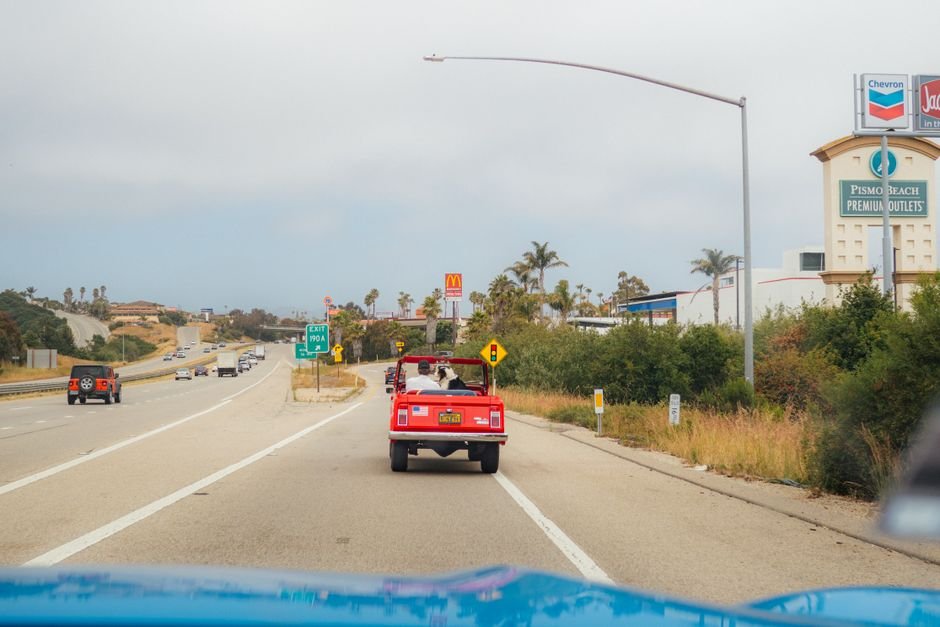
PCH cruise. Sun setting. Wind in your hair. You’ve finally made it! Hours crushing miles through mountains or just blasting down the freeway. So, what’s a common first move when you pull over? For a lot of us Californians, it’s just shutting ‘er down. But wait. If your ride’s got a turbo engine, hitting that ignition switch right away? Instant, hella expensive mistake. Seriously. Good California road trip car care means knowing this crucial difference. Especially important for fancy, high-performance engines.
Why bother? Because there’s basically an inferno chilling under your hood.
Let that turbo chill for at least 30-60 seconds. Especially after a hard drive
Just peeled off the highway, right? And your engine? It worked its butt off. Think Big Bear to Tahoe kind of driving (those winding mountain passes!). So, when you finally pull over and park, don’t just kill it. Oh no. That turbo’s still glowing. Red hot.
It needs a moment. Needs to chill. A quick count to 30 or 60, right in your head. Maybe futz with your mirrors. Or grab your phone. That tiny pause? It could save you thousands. Easy money.
Kill a hot turbo too fast? Expect roasted oil and blown parts
Think about it this way: Engine stops. Your oil pump? Totally stops. But that turbo, still blasting out heat like a forge, it’s got leftover oil stuck inside. So, what then? Sizzle. Just like an egg hitting a super-hot pan.
That oil doesn’t just burn up. No, it “cokes.” Turns into this nasty, tar-like goo, clogging the skinny, vital oil lines meant to cool and grease your turbo. Bottom line? You’re literally suffocating your turbo with its own fried sludge. And another thing: not just some theory. It’s a straight shot to a blown turbo. Trust me, that’s one repair bill you absolutely want to avoid.
Yeah, start-stop systems are smart. But you can still mess things up manually
New cars are pretty smart, right? They’ve got “start-stop” systems; great for saving gas at red lights. Lots of folks figure these systems also take care of the turbo cool-down. Sometimes, maybe.
These smart systems? They use sensors. So, if the turbo’s still scorching hot, the car usually won’t just let itself shut off. It does try to protect itself, you know? But. If you manually hit that ignition button to power down a hot engine, especially after a long, hard run. Well, you’re overriding its whole brain. Bypassing all those safety nets. And guess what? Suddenly, you’re staring down one seriously expensive repair bill.
Get your oil changed regularly. Use the right stuff. Keeps your turbo happy
This? A no-brainer for any car. For turbos, though? It’s huge. Clean, fresh oil isn’t just important; it’s the actual lifeblood of your turbo. It lubes things up, sure. But it also does a massive amount of the cooling.
Sluggish, old oil won’t hack it. It won’t do its job right. It breaks down way faster when it’s super hot. That speeds up coking and wear. Stick to that service schedule religiously. Period. And always, always use the right oil type. A big difference.
A few seconds of cool-down? Could save you a grand-or-two
Seriously. Just 30 seconds. Maybe a minute of your time, tops. This tiny investment, long enough to catch the end of that absolute jam on the radio? It saves a part that can easily hit several grand to swap out. Tiny habit, massive financial payback.
So, are you the kind of driver who just peels out, never looks back? Or the one who actually respects their ride? Your wallet? It’ll definitely like the second option.
Drive smart, especially on those wild California roads. Your car’s mechanics will thank you
California has killer drives. Deserts to redwoods and back again. Your engine? It’s busting its hump out there. Pushing that turbo to the max on all kinds of grounds? You gotta be super aware. Listen. Feel your car.
Driving responsibly isn’t just about being safe on the road, either. It’s about protecting your investment. Give that car the respect it’s earned, and it’ll keep tearing up those awesome California routes forever. That’s the real local’s handshake deal for long-lasting mechanical peace.
Got Questions? We’ve Got (Quick) Answers
Q: Why’s it so bad to kill a hot turbo engine right away?
A: Because the oil pump stops, dude. But the turbo itself is still blazing hot. Any oil left in there? It fries. Turns into gunk. Clogs up oil lines. Causes brutal, permanent damage to the turbo.
Q: Will my car’s start-stop system protect the turbo?
A: Yeah, modern start-stop systems do have sensors that can stop the engine from kicking off if the turbo’s too hot. Gives some protection. But. If you go and manually punch the ignition off after a really hard drive? You bypass those smart safety nets. Bang! Damage.
Q: How long should I let my turbo engine cool down after a long drive?
A: After driving hard—like highway speeds or up those crazy mountain roads—let it idle for at least 30 to 60 seconds. That’s it. This gives fresh oil a chance to flow, cooling down the turbo. No coking.