Your California Road Trip Car: Seriously, Why Car Guts Matter on Your Drive
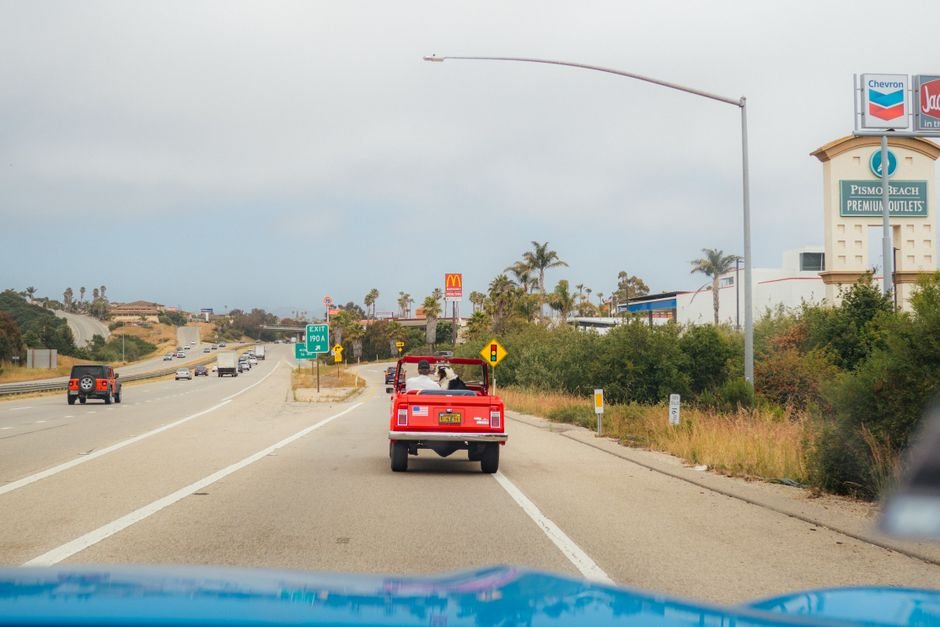
Ever hit the open road for a California road trip? Windows down, sun scorchin’, just cruisin’. And sometimes, a car just feels right, yeah? That smooth, floaty ride. Not some rattlin’, bumpy mess. It’s not just the comfy seats, believe me. Because the guts of your California Road Trip Car make a huge, huge difference for those long hauls. Forget horsepower. For a minute. Let’s talk about what’s underneath. The foundation.
So, what your car’s built on and where the engine sits? That impacts comfort, how stable it is, and basically, your whole experience on long drives
You could be cruising the PCH, feelin’ that classic California vibe. In a car that feels solid, stuck to the ground. Or maybe it feels…springy. Kinda bouncy. You might not even notice the real difference till you put a few hundred miles on it. The engine’s spot, how all the different parts are laid out – that’s the “platform.” It’s literally the soul of the car. And it totally dictates its character.
Take the Passat B5. Good car. A lot of folks noticed it handled way different than, say, a Golf or a Jetta from the very same brand. It felt beefier. Almost like it was floating. No accident, that.
And it all comes down to a really basic engineering choice. A decision that totally flips how a car handles the road beneath it.
Cars built for that ‘gliding’ or ‘heavy ship’ feel? They give you super comfort. Especially on California’s wild freeways and pretty routes
Luxury brands are always raved about for their smooth, calm rides. There’s a reason for it. They build their cars to have that specific “heavy ship” feel. Think about it: sailing along Highway 101. Mile after mile. Through all sorts of ground. Coastal curves to hot inland valleys. A car that just eats up the bumps and floats right over them? Seriously levels up your comfort game.
This kind of ride chops down driver tiredness. Because it means less fighting the road. More soaking in the scenery. It changes a possibly jarring trip into something actually fun.
Knowing about some basic car engineering stuff, like engines sitting different ways, can guide you to pick smarter cars for a good ride
Here’s the real secret. Engine placement. Most regular, everyday front-wheel-drive cars? Their engines sit transversely. That just means sideways. It’s space-saving. Great for smaller cars. Also keeps costs down.
But the Passat B5? Different. Didn’t use a standard Volkswagen setup. Nope. It was built totally on the Audi A4’s PL45 platform. What’s the big deal with that? On the PL45 platform, the engine is longitudinal. Front-to-back. Just like you’d see in tons of BMWs or Mercedes-Benz models.
So, this longitudinal placement often means better weight distribution. Allows for better suspension. And it can make a massive difference in how the car feels out on the big road. It’s a key part of that “heavy ship” ride quality. Trust me.
Pick a car that cruises. Folks say it has a smooth, stable ride? Choose that. It makes your California road trip way better, less tiring
Next time you’re dreaming up your epic California adventure? Don’t just stare at horsepower numbers or cargo room. Think about the engineering. Take a peek. Do a little digging into the platform a car is built on. Research if a model is famous for its “gliding” ride. Seriously crucial if you’re looking at a longer trip.
Go for models people say have stable, quiet highway performance. This usually hints at cars with that longitudinal engine setup or just overall tougher platforms. Your back? Your passengers? And your entire sunny state experience? Will seriously thank you.
Quick Questions!
Q: How come a Passat B5 feels different than other VWs, like a Golf or Jetta?
A: The Passat B5 rode on the Audi A4’s PL45 platform. That means a longitudinal engine placement. Way different from the side-sitting engines in a regular Golf or Jetta.
Q: What’s the main engine setup difference between ‘normal’ VWs and the Passat B5 or fancy cars?
A: Standard Volkswagens put their engine sideways (transverse). But the Passat B5, plus a lot of BMWs and Mercedes, often have their engines front-to-back (longitudinal).
Q: So, how does that front-to-back engine thing change a car’s ride?
A: Cars with the engine placed lengthwise, like the Passat B5, often get described as super smooth. More like a “heavy ship” gliding. That means way more comfort and stability for those long journeys.