The Seven Sleepers. Digging into Old Stories, Science, & Faith
You ever think old stories kinda, sorta predicted our science today? Or if a good story, no matter how ancient, just sticks around, influencing beliefs and even new tech stuff? The Seven Sleepers story. It’s totally like that. Not just some dusty old thing. This legend shaped beliefs all the way from Rome to Riyadh. And get this: even now, it still totally makes you wonder.
The Seven Sleepers Story: A Super Long Nap. Roman Style
So, picture it. Mid-3rd century. Roman Empire flexing hard. Emperor Desius (some call him Dakyanus) made a rule: You gotta worship the old gods. Say the Emperor is basically a god. Don’t? Treason, man. For folks who believed in just one God back then, especially in busy Eastern cities like Ephesus? It got rough. Families got torn apart. Blood in the streets. Everyone was just plain scared.
In all that mess, some young guys popped up. Noblemen, some whispered. Even advisors to the Emperor. But their faith was super strong. Desius called them in. They stood tall: “Our Lord? He’s the Boss of everything, up here and down there. We ain’t worshipping anyone else.” Bigtime challenge. Super gutsy.
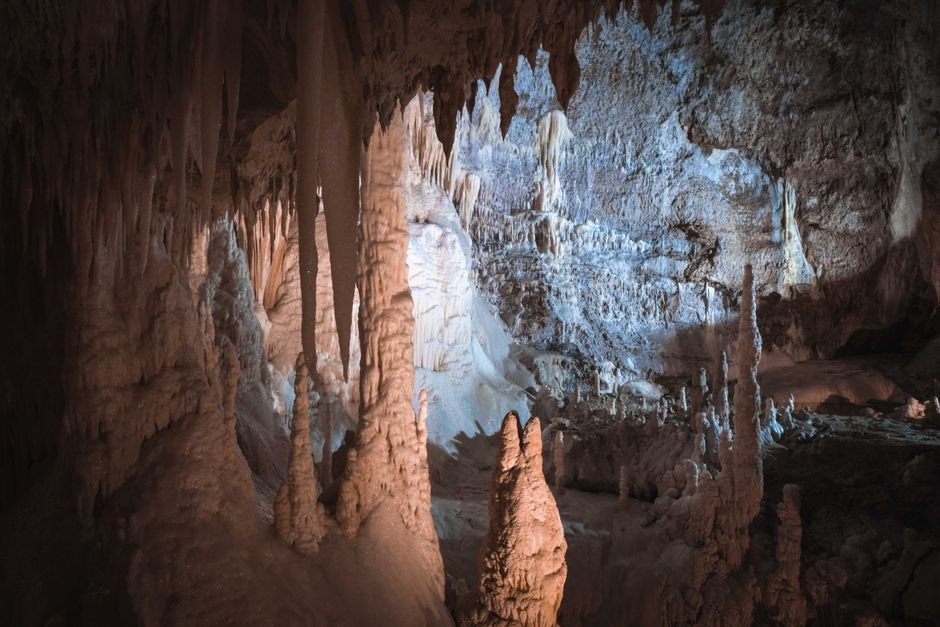
Given a short break to think things over, they chose Door #3: bolt. Dropped everything. Jobs, money, family —gone. Headed for them mountains. Kitmir, their loyal dog, came along. A silent protector. Tired, they found a hideout in a cave. Little did they know, something amazing was about to happen. A miracle. They prayed. The Quran, in Surah Al-Kahf, even wrote down their prayer: “Our Lord, grant us mercy from Your presence and make it easy for us to attain salvation and righteousness in this situation.”
Emperor found out they ran. Hunt them down, he snarled. Soldiers finally stumbled upon the cave. Desius, wanting to screw them over big time, ordered the cave sealed. Massive stones. Buried alive. But get this: a couple of secret Christians among his soldiers — sad stories say — carved the young men’s names on lead plates. Popped ’em in with the stones. Their memory? Just sitting there, safe underground.
Centuries just… went by. Inside that cave, life, somehow, just stopped. Then, hundreds of years later, a landowner wanted to clear some space. Knocked down that stone wall. The young men woke up. Boom. Just like that. “Maybe a day, total,” they figured, super hungry still. One went to the city for supplies, old coins from Desius’s time clinking. He came back to a totally different world. Ephesus? Everyone was shouting Jesus’s name. That baker saw the weird old coins, thought “treasure,” and ratted him out. Uh oh. The secret was out.
Astonished locals, even a bishop, joined them. Back to the cave they went. Folks watched the miracle. Instantly, they believed in resurrection. Legend says the Sleepers just told their story, prayed, and then… passed on. That cave, their forever home. A church popped up. They were called saints, a HUGE deal ’round Ephesus. And guess what? You can still check out sites today in places like Selçuk, İzmir, claiming to be that cave.
Fanciful Tale or Real History? The Story’s Academic Side
So, here’s the deal: From a school perspective, this powerful Seven Sleepers story? Not historical. Roman records don’t mention it. Nada. It first appears around 521 AD. Jacob, a Syriac clergyman and poet, wrote it down. It was in his book of poems, Mimru. He made it up as an allegory. A cool story, basically. Meant to show peeps how important it was to fight for their faith when Christianity was blowing up under Emperor Theodosius.
But don’t go telling the Vatican that. For centuries, they totally bought into this story, declaring those guys saints. July 27th became a big pilgrimage holiday by Mount Fair. Lots of donations. Tons of cash from all sorts of stuff being sold. Total goldmine for “religious merchants,” smart folks called ’em. Some things just never change. Amirite?
Luckily, the Renaissance and Protestant movements happened. Got people thinking: “Hold up.” They started catching on to the missing historical proof. What everyone really understood then? The story’s whole point. It was a beautiful, inspiring tale. Meant to fire up believers. Not, you know, a real history lesson.
Time Travel? Other Global Stories Say Yep
This “long sleep” thing? Not just some random, made-up idea. Nope. Turns out, this whole “time weirdness,” people waking up centuries later, that stuff echoes through myths everywhere. Europe, Asia. Similar stories just keep popping up. Makes the Seven Sleepers story feel like it’s just one part of a much bigger, global history book.
Like, King Arthur, for example. Famous British king. Him and his knights are supposedly in deep sleep. Just chilling. Waiting to wake up when England really needs ’em. It’s that long sleep, mixed with the whole “savior hero” thing.
And then there’s Epimenides, this super smart guy from old Greece. From Crete. Hunting for lost sheep, he just strolls into a cave meant for Zeus. Boom. Falls asleep. For a crazy 57 years! Wakes up. Still young. But the world? Totally different. Locals? They thought he was a prophet. Blessed by the gods. Cave sleep meaning God-favored? You gotta wonder. That’s where that idea really started.
Over in Japan? They’ve got the legend of Urashima Taro. Young fisherman saves a turtle. Turns out, it’s a water spirit. Gets invited to this awesome undersea dragon palace. Three blissful days there. But when he surfaces? Boom. 300 years gone on land. Crazy stuff.
But hold up, there’s an even older one. The Mahabharata. One of the oldest stories, period. It talks about this “Great Migration.” The Pandava brothers, done with their earthly duties, hike towards Mount Meru. A mysterious dog joins ’em. Makes seven travelers now. One by one, weighed down by sticky karma, the brothers just drop. Die. Until only Yuttira and the dog are left. Yuttira’s like, “Nope, not going to heaven without my best furry friend.” Proved how enlightened he was. And guess what? That dog? It was the god Dharma. Seven travelers and a dog. Ditching the world for enlightenment. Sound super familiar now? Bet it does.
Lots of academics, historians too, think the Seven Sleepers as we know it now? It’s just a smart, poetic mash-up of all these strong, old story ideas. Retold. For a new group of people. Happened like 500 years ago.
Seriously Sleeping: Old Stories & Today’s Science. They Connect
These stories about folks just skipping centuries? We’re always told, “Oh, it’s just make-believe.” But for real? Dozens of scientists are right now trying to make that stuff real. It’s almost like way back, thousands of years ago, human imagination was already kinda planning the next huge science discovery.
Remember how the Seven Sleepers were, well, somehow okay after hundreds of years? Simplest modern take? Therapeutic hypothermia. Doctors use it. For babes without enough oxygen, or after a heart attack. They carefully cool down folks to 33-34 degrees Celsius. This slows the body’s usual biz. Needs less oxygen. Stops damage from spreading. Super controlled, usually just 72 hours. Not centuries. But days? Yeah! It’s real.
But our tech? It’s getting better. Next up: synthetic torpor, aka human hibernation. NASA’s obsessed with it for super-long Mars trips. The whole point? Put astronauts in a deep sleep, like animals. Really slow their bodies down. Big deals here: Cuts oxygen, food, and water needs by up to 75%. Also, a slower body might help them fight off space radiation. Less bone/muscle shrinking from weird gravity. Scientists are even looking at yellow-bellied marmots. These critters hibernate like eight months! Doesn’t even look like they age. The big goal? Do that for us. Humans.
And if you wanna get super brainy, think relativity. Einstein’s idea says time actually slows down for you if you zoom really fast, or get near something super massive. An hour by a black hole? Could be decades here on Earth. Going almost light speed? Minutes for you. Years for everyone NOT on your ship. Now, obviously this wasn’t happening in that cave. But it shows time getting warped isn’t just make-believe. It’s a science fact, on extreme levels.
The Quran Just Said “Chill Out” on the Details. Plus, What Happens When Scholars Don’t
The Quran, in Surah Al-Kahf, tells the Companions of the Cave story. But it has a cool twist: it keeps the deets on purpose vague. Says they were there 300 years, plus nine more. But then, right after that, it says, “Allah knows best how long they stayed. To Him belongs the knowledge of the heavens and the earth.”
How many of ’em? “Some will say three. Plus their dog. Others will say five. Plus their dog. That’s just guessing, folks. They also say: ‘Y people, and their dog makes eight. Say, “My Lord knows their number best.”‘ Not many truly know. So don’t go fighting about it unless it’s just surface-level. Real talk.”
The Quran, basically, shuts the whole debate down. “Don’t dig too deep,” it warns. “Allah holds this info.” It tells people straight up not to guess too much. Emphasizes God’s knowledge. And pushes back against making official historical declarations.
But this vague approach? Totally different from what happened to smart Islamic thinkers forever ago. Dudes who dared to try to link faith with common sense. They got into huge trouble. Ibn al-Rawandi, for instance. Said Quranic stories were just old spoken tales. Heretic! Books burned! He ran for his life. Then Abu Bakr al-Razi, a famous doctor. Questioned if revelation was superhuman. Heretic! Most of his books? Gone. Suhrawardi thought truth came from logic/science, reinterpreted divine knowledge. Executed. Ibn Rushd said stories were symbols. Philosophy and Sharia? Compatible, he argued. Exiled. Books burned. Wild, huh?
These super-smart guys weren’t ditching Islam. Not at all. They just wanted to mix it with reason. Still, the cost for asking questions? Usually death. Or exile. Even though the Quran keeps telling people “use your mind, read, and reason,” asking those questions was often banned. All that history makes the Quran’s “don’t guess too much” instruction look pretty serious.
Not Just A Story. We Still Love It. Here’s Why
Look, here’s the bottom line: Call it a cool story with some history behind it, or a real thing from God. Either way, the Seven Sleepers story? It’s just a unique tale. Shows how curious we humans are. It’s a prime example of bouncing back. And believing, even when rulers are total jerks. A miracle. It’s bigger than time. This legend, bouncing around for centuries, totally stuck. Sacred tale. Story idea. And just a cool thing that makes you go “whoa.” Just like you’re reading this out of curiosity right now? It grabbed people’s minds thousands of years ago.
Deep down, a good story is just… a good story. What got folks hooked 1,000 years ago still gets us hooked. And yeah, there’ll always be those who use these strong stories for their own gain. Some find stuff that makes their faith stronger. Others get scientific ideas popping. Makes them want to turn old tales into real deal modern possibilities. And, for real, some will make these things holy. And then rake in the cash. Like the Vatican and their old pilgrimage money grabs. Just imagine: 1,000 years from now. Someone declares Harry Potter a saint. Says his tomb’s in some cool, chill spot. And charges people to see it. Wild, right? That’s just how we humans roll.
This story? Like any amazing tale, it hits different for everyone. Sparks different feelings. Ideas. It’s just a super unique part of being human. Dive in for faith if you want. For history. For science inspiration. Or simply ’cause it’s a dang good story that seriously lasts. It stands the test of time, you know?
Quick Q&A (FAQs, if you’re fancy)
Q: So, where’s the Seven Sleepers cave, really?
A: Historically, lots of places claim to have the real one. Ephesus. Mersin Tarsus. Maraş. Diyarbakır in Turkey. And places in Jordan too. But the cave near Selçuk, İzmir (old Ephesus), that’s a big tourist magnet now.
Q: How long did those Seven Sleepers, like, supposedly sleep for?
A: Christian stories bounce around a bit, but the Quran says 300 years. Then “nine more” after that. Though, it also quickly adds, “Allah knows best how long they stayed.” Keep that in mind.
Q: Was the Seven Sleepers story, for real, a historical thing?
A: Academically? Nope. The Seven Sleepers story is mostly seen as made-up. Scholars figure it started with Jacob, a Syriac clergyman and poet, way back around 521 AD. It was meant to be an allegory. You know, a story that meant something. About faith and sticking it out. Not actually a real Roman event. Sorry.