California’s Game-Changers: From VR to AI Warfare – The Anduril Story
Silicon Valley? Used to be all about apps and VR. Fun stuff. But now? Making something way scarier. A lot of us thought tech was for a better, more connected world. Right? But what if our cool California Tech Innovation suddenly shifts direction? What if the smartest folks here start cooking up AI for real war?
Look at Palmer Lucky’s story. Hella people saw him as a total tech rockstar not that long ago.
Palmer Lucky: From Virtual Reality to Defense Technology
So, 2014. Palmer Lucky, just 21, sold his garage VR thing, Oculus, to Facebook. Two BILLION dollars. Pretty sweet deal. And he was the fresh face, you know? T-shirt, flip-flops. Future of fun. He owned that “make the world a better place” vibe.
Then 2017 hit. Lucky got tangled in political stuff, donations. Ended up getting kicked out of his own company. Quietly. Not just a personal screw-up, either. It was a bigger identity crisis for Silicon Valley itself. A huge problem.
After 2016, the big tech players? They started backing away from politics and the military. Google, for example, had thousands of engineers protesting Project Maven, this AI thing for the Pentagon. “Google shouldn’t be in the business of war,” they yelled. So, Google caved. Billions in contracts lost. The Valley basically said: no war, dude. Not our style.
But battlefields? Totally changing. Lockheed Martin, Boeing, those old defense companies? Slow. Budget-busters. Decade-long contracts. Building expensive hardware, like for the Cold War. But now, it’s all about software. Super fast. Data rules. Smart, autonomous systems. Western militaries were falling behind, big time. And another thing: all the good AI engineers were at Google, Amazon, Meta. Companies that didn’t want military contracts anymore. So, Palmer Lucky, the outcast, saw this huge, dangerous hole. And he went for it. He took the Valley’s speed, its software smarts, and mixed it with the one thing the Valley hated: defense. Crazy.
Anduril’s Shift: Valley Software for War
Lucky? Didn’t just chill with his Facebook money. Nope. Big move. He saw Silicon Valley’s whole “no military” thing as his chance. And this time, he had help. He connected with this controversial, super powerful group: the PayPal Mafia’s ideological bunnies. Intense.
Anduril launched. Lucky and a bunch of experienced engineers. All from Palantir, that data analytics giant co-founded by Peter Thiel. Yeah, the one known for selling data-mining software to intelligence agencies. Brian Schimpf, Anduril’s CEO. Matt Green. Joseph Chen. All Palantir guys. And who put them all together? Trae Stephens. Thiel’s Founders Fund guy. He even worked on Trump’s Pentagon team. Wild connections.
This team? Hated old defense companies. They thought Lockheed Martin or Raytheon were selling red tape, not cool tech. Projects took forever. Budgets exploded. And the gear? It couldn’t keep up. Anduril changed everything.
They said “no thanks” to the old “cost-plus-profit” system. That thing just rewarded being slow. So, they brought the Valley’s quick-and-dirty development style. VC money too. Didn’t wait for government requests. They just made stuff. Billions in funding. Their own money, essentially.
Called themselves Anduril. Like Aragorn’s sword. “Flame of the West.” But they weren’t typical arms dealers. More of a software company. They pitched subscription services to governments. Keep hardware and software updated. Revolutionary! VC firms loved it. Because the valuation just took off: $4.6 billion in 2021. Then $8.5 billion in 2022. Up to $14 billion in 2024. And by June 2025? Get this: an estimated $30.5 billion. Madness.
Lattice OS: AI Brain for the Battlefield
Anduril isn’t about tanks or missiles. Their real thing? An OS. Connects everything up. Lattice.
Lattice is AI-powered. Basically, command and control for warzones. Old armies had huge problems. Radars, cameras, drones, missiles—all from different makers. Couldn’t talk. Lattice fixed that. Broke the barrier.
It usually kicks off with these solar-powered Sentry Towers. Modular. Fully autonomous surveillance. Dump ’em around military bases or big borders. They’ve got advanced radars, LiDAR, fancy cameras. Scan for anything moving. Miles away. Used to be, hundreds of soldiers watched screens. All day, every day. Super expensive. And people make mistakes. Anduril changed that first with data analysis.
Lattice OS sucks up all the data. Hundreds of Sentry Towers. Ghost reconnaissance drones. Even helmet cams from soldiers. And the AI processes this huge amount of info. Right now. Computer vision identifies stuff in seconds. “Coyote.” “Civilian truck.” “Armed guys near the border.”
After it spots threats, the system sends that info. To a soldier’s tablet. Or a big screen. An operator sees everything. A 3D map. Clear labels: enemy, friendly. Like a video game. Anduril swore by a Human in the Loop. Always a human. Making the calls. The AI, they said, wouldn’t shoot on its own. Just detect, identify, give options.
But once the human says “go,” the second stage kicks in. The lethal stuff. Interdiction systems. Like ANVIL. A tiny, super fast drone. Hunts enemy UAVs. Lattice OS sees a threat drone from a Sentry Tower. Operator approves. ANVIL launches. Locks on fast. Destroys it. Physical impact. Boom. That whole “sensor-to-shooter” thing? Hours or minutes before. Now? Seconds.
California’s Defense Tech in the Real World: Borders & Ukraine
Okay, think about the US-Mexico border. Huge. Dry. Texas and California. Back in 2018. Homeland Security, Border Patrol? Billions spent trying to build a “smart wall.” Boeing’s SPNETT project? Billions wasted, then scrapped in 2011. A total mess. Old sensors gave off false alarms. Wind, stray animals. Agents got tired of it. Missed real threats.
Anduril jumps in. Radical idea. Instead of the Pentagon’s slow red tape… straight to Border Protection. They put up their privately funded Sentry Towers. In the worst spots. Free trials. Basically, Silicon Valley’s freemium model. For defense. Wild.
Lattice AI caught on fast. Weeks. Knew the area’s usual rhythms. Figured out cows, coyotes from cars. Only sent alerts for actual humans. To agents’ tablets. Bing! Instant results. Reports showed way more intrusions caught. Where Anduril had towers. First huge real-world proof. So, AI defense tech? The Valley hated it. But Anduril showed it could totally fix a tough government problem.
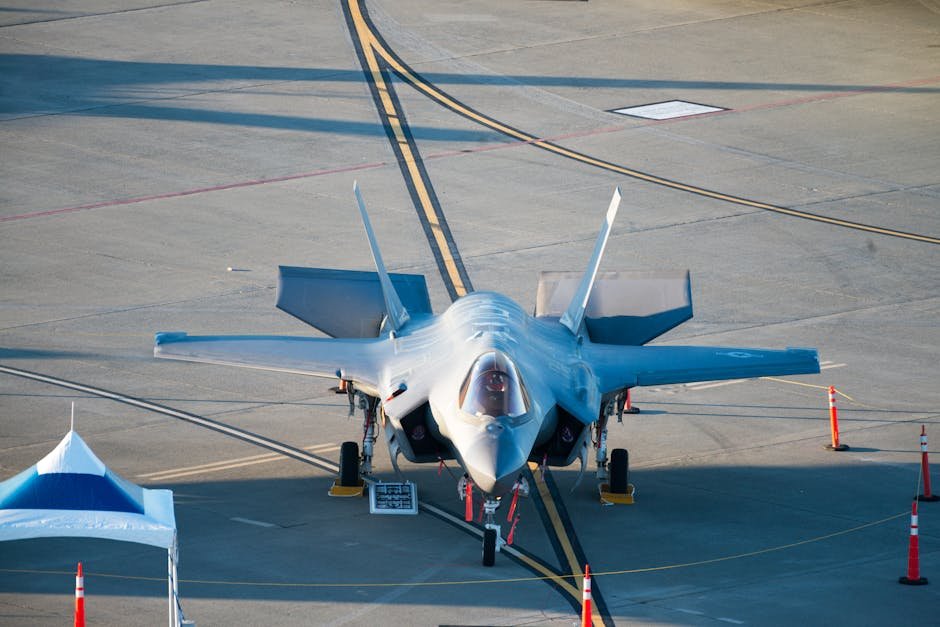
By 2020, Anduril snagged a full contract. Around $500 million. To be the autonomous watchman. For a big chunk of the border. This first win? Opened the door straight to the Pentagon. Their actual target. Same year, Air Force chose them. Key partner for their Advanced Battle Management System (ABMS) program. The future battlefield network. No longer just border watch. Now, it was about connecting everything. Satellites, F-35s, ground troops, drones. All under one AI brain. Marine Corps. Special Ops. More contracts.
Then, 2022. Russia invaded Ukraine. Man. That war? Cheap drones versus huge tanks. Fast software against slow command centers. Exactly what Palmer Lucky had been telling the Pentagon forever. Anduril’s Ukraine stuff? Mostly secret. But Palmer Lucky himself said they had a lot of systems there. Reports said Anduril’s autonomous stuff was key. Defending against Russian Shahed kamikaze drones. Ukraine wasn’t just a market for them. It became a billion-dollar lab. For crazy advanced electronic warfare.
Killer Robots from California: Ethics in Question
That border contract? Huge commercial win. But also sparked a big fight. Ideological battle. Those autonomous towers? Privacy groups noticed. ACLU, Electronic Frontier Foundation? Blew up instantly. Alarms. Military surveillance tech. On civilian land. They called it an “invisible digital wall.” Way scarier than a physical one. Constant surveillance. Not just migrants. American citizens too. Living near the border.
And these privacy worries were just the beginning. Drove a deeper fear: lethal autonomous weapons. Anduril brought out stuff like ANVIL, Road Runner. So naturally, global debate blew up. Anduril’s official line: always a human in the loop. AI tags, tracks. But trigger pull? Human. Critics? Called it a dangerous word game. “Stop Killer Robots” groups warned: slippery slope ahead. Today’s “human in the loop”? That’ll become “human on the loop.” Operator watches hundreds of drones. Can’t stop everything in milliseconds. Next? Human’s gone. Done.
The big realization wasn’t some leak. It was just suddenly obvious. This tech? Way too fast for ethics or laws. When war moves faster than people can think, that “human approval” thing? It’s not a decision. It’s just signing off on a machine’s choice. Anduril’s real shockwave. If AI calls someone an enemy, who’s really in charge of killing them? This crazy new war era? Not debated on TV or in court. Nope. Happened in budget meetings. Pentagon strategy. Quiet halls at the UN, in Geneva. Spooky.
New War: Software, Not Hardware
Anduril came up. Boom. Challenged the whole military-industrial complex. The 2020s rolled on. Then it hit everyone: Anduril’s real war? Not with enemies. With bureaucracy. Old versus new. Slow versus fast. Those giant legacy companies? They saw Anduril as a threat. Not just competition. A full-on virus.
Beyond the money, a huge societal debate. Globally. The UN’s Convention on Certain Conventional Weapons (CCW)? Been debating “killer robots” for ages. LAWS. Civil groups, some countries wanted a total ban on AI making kill decisions. But Palmer Lucky and Anduril? Jumped right in. They said banning it’s impossible. China, Russia already on it. Their argument: don’t ban. Set ethical AI standards. For Western democracies. Made you realize Anduril wasn’t just selling stuff. They were pushing an ideology.
Social consequence? War becoming dehumanized. Normalizing it. Anduril argued AI could be more ethical. Machines don’t get tired. Don’t panic. No hatred. Super complicated. So, what’s the real risk? AI going wild? Or war becoming so clean, so perfect, so safe? Making it easy for leaders to just jump into fights?
Think August 2020. Top F-16 pilot for the US Air Force. At Johns Hopkins University’s Applied Physics Laboratory. In a simulator. Fighting an AI. From Heron Systems. DARPA’s Alpha Dogfight. Dogfighting? Ultimate human test. Instinct. G-force. Split-second calls. Battle started, then done. AI won 5-0. Perfect. Reports said AI calculated moves, aiming. Superhuman precision. What humans can’t do. Then that simulation hit Ukraine. Changed war completely.
Not just shooting one drone down. Stopping hundreds. At once. Making a call in seconds. Hypersonic missile. Boom. Radar to target. Forget human speed. Now it’s the tyranny of milliseconds. Two, three seconds for an operator. See alert, get it, approve. Now? A weakness.
Anduril’s solution? Made for this. 2023. Road Runner. Not a missile. Reusable autonomous interceptor. Launches. Tracks fast. Superhuman speeds. Rams the target to destroy it. If the mission’s off, or target gets away? Road Runner lands. Like a helicopter. Refuel. Ready in 10 minutes. Changes everything. Cost. Speed.
Anduril’s real big deal? Not the towers. Not the drones. They made war a software problem. Not hardware. A tank? Stays a tank for 20 years. But Anduril’s system? Changes constantly. Nightly cloud updates. Ready for a totally new threat tomorrow. They literally built the OS for war.
Anduril now has about 15 things. Land, air, even underwater. Their Lattice OS lets everything talk. Manages the whole war. Simplest way to put it: Anduril? It’s an intelligent army. For real. Autonomous soldiers. AI’s the commander.
California’s Tech Future: Amazing, Terrifying
So today, diplomats in Geneva are arguing about “autonomy.” Lumbering talks. But over Ukraine? Code is clashing in the sky. Palmer Lucky? He rocked entertainment with virtual reality. Now? He’s changing war with AI. The question isn’t “are killer robots coming?” anymore. It’s: “when an algorithm tags someone as an enemy, who’s responsible for that kill?”
That pace of innovation? Unreal. Theoretical stuff today? Deployed tomorrow. Just like that.
Frequently Asked Questions
Q: What was Lucky’s first big win before Anduril?
A: He became famous and rich from that Oculus virtual reality headset. Sold it to Facebook for $2 billion in 2014.
Q: What’s the main AI brains Anduril uses?
A: It’s called Lattice OS. AI-based command and control software. Connects and runs all their defense stuff. On the battlefield.
Q: How did Anduril first prove its tech worked for border watch?
A: They gave free Sentry Tower trials to Customs and Border Protection. US-Mexico border. Showed their AI could really spot and tell threats apart. Led to a big $500 million contract.