Surfing for Beginners: Essential Equipment & Guide for California Waves
Ever feel that itch? That deep-seated need to escape the daily grind, paddle out, and just let the Pacific wash away all the noise? Surfing. Hella therapeutic. A wild kind of anti-venom for a stressed-out mind. Local surfers? They’ll tell you it’s not just a sport. It’s a total reset. The second your feet hit that salty water, daily life? Done. Replaced by the primal rhythm of the ocean.
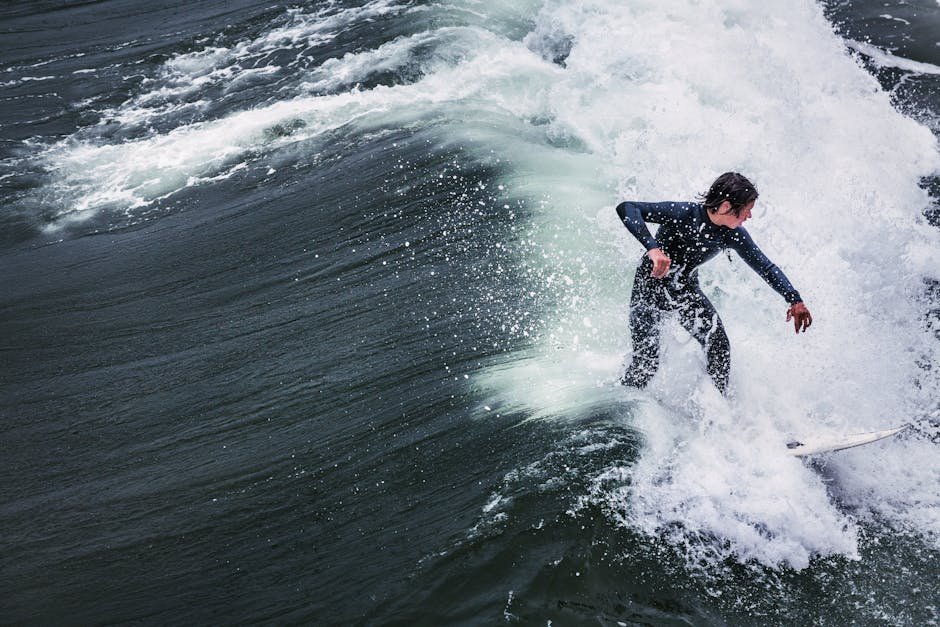
Yeah, the pros make it look like pure zen. They’ve spent thousands of hours in the water; a lifetime reading waves and dancing around on their boards. Don’t let that fool you, though. Surfing for beginners is humbling. Way tougher than it looks. But once you nail the basics? Good luck. You won’t be able to think about anything else. You’ll be straight-up obsessed, planning your next session around every single amazing wave you caught. So, before you just grab any old board and sprint into the swell, let’s get you squared away. Absolute essentials. Think of this like your Mr. Miyagi lesson for the waves – nobody fights until you understand the simple gear.
Soft top surfboards are the best choice for beginners due to their increased stability, safety, and affordability
When you’re first learning to paddle out, one thing: balance. Plain and simple. All that water pushing around? It seriously wants to knock you right off. Imagine trying to stand on a short, super wobbly dining table versus a long, wide picnic table. The wider, longer option? Way more stable. Same idea for surfboards.
And because of all that, the soft top – yeah, the “foamy” – it’s hands down your best bet. Safer. More stable. Usually cheaper too. Plus, they’re tough, way harder to damage than traditional hardtop boards. If the board bangs into you (or someone else, because it happens), the soft top really cuts down injury risk. Okay, sure, they’re not as agile as those fancy hardtops. But trust us, as a beginner, stability crushes radical turns any day. You might feel a little like you’re riding the “moped of the sea,” announcing your beginner status to everyone on the sand, but who honestly cares? Get out there. Have a blast.
Surf wax or traction pads are necessary for providing grip and preventing slippage on the surfboard
Board in hand? You’ll notice quick enough: wet surfboards are slick. The surf industry has definitely tried to engineer grippy surfaces, but we’re just not quite there yet. Until then? Traction.
Every surfer out there (well, almost all of them!) relies on surf wax. This sticky stuff goes directly on your board, giving your feet the grip they need when you stand up. And your body needs that traction while you’re paddling. Without it? Just slide off. And another thing: for something more permanent, surfers often go for traction pads. These foam pads usually get put on the tail end of the board. Pricier than wax, yeah. But they last longer. And often feel super comfy underfoot.
A surfboard leash is crucial for safety, preventing the board from drifting away and potentially harming other surfers
See those straps connecting surfers to their boards? Not Avatar tech. Even though that sounds cool. This super important piece of gear? Your surfboard leash. It’s a cord, basically. Hooks to your leg on one end. Your board on the other.
Why’s it so important? For starters, it keeps your board from getting swept away by a rogue wave, saving you a really long, frustrating swim. More critically: it stops a runaway board from turning into a projectile. Could totally hit and seriously hurt other surfers in the water. Rule of thumb: grab a leash that’s about the same length as your board, or just a tad longer. Strap that sucker on. So important. Non-negotiable. For safety, period.
Single fin surfboards offer the most control and stability for beginners
Flip a surfboard over (very carefully!), and you’ll see fins sticking out the bottom. Not just for looks. Fins are made from fiberglass, plastic, or carbon fiber. And they act like the rudder on a boat, helping your board steer and change direction.
Shapes, sizes, setups. All kinds. Some boards have just one fin, others might have five. While the three-fin setup (two on the sides, one in the middle) is common, the single fin setup is your best bet when you’re just starting out. It gives you sick control and stability. And that’s exactly what a beginner needs. Always remember this: stability. Your best friend when you’re learning.
Prioritizing stability and balance is essential for beginner surfers over maneuverability
Gotta say it again: the ocean? It’s alive. Riding a surfboard there is a hell of a lot different than cruising a bike down a paved street. Waves push. They pull. They definitely knock you around. Your absolute main priority, especially early on, isn’t fancy moves. Not shredding barrels. Just staying upright.
Focus on feeling the board, understanding how your weight shifts, and letting the ocean dictate your rhythm. Fancy stuff? Much, much later. Get comfy. Get balanced. Let the waves work their magic.
Frequently Asked Questions
Q: Why should a beginner surfer choose a soft top surfboard?
A: Soft top boards are perfect for beginners. They’re way more stable. Super safe too, cutting down injury risk. And generally cheaper than those traditional hardtop boards. Also? Harder to mess up.
Q: Do I need surf wax or traction pads even on a soft top board?
A: Yep, you do. All surfboards, even soft tops, get slippery when wet. Surf wax? Gives you crucial grip for your feet and body, stopping you from sliding off while paddling or standing. Traction pads give a more permanent, comfy grip. Usually goes on the tail.
Q: What is a surfboard leash and why is it important for beginners?
A: A leash. It’s a cord connecting your leg to your board. Super simple. And super important? Because it keeps your board from getting swept away by waves. And stops it from being a danger to other surfers. For beginners, totally non-negotiable for safety. And keeping your board with you.