GLP-1 Agonists: Not Just a TikTok Trend. No way
You think GLP-1 Agonists just showed up on TikTok last year? Seriously? Nah. The real deal behind stuff like Ozempic and Wegovy is crazy. A decades-long trip. It literally plunges into weird, spooky parts of the animal kingdom. Think venomous lizards. Freaky deep-sea fish. And, yeah, lots of brainy hustle that’s changing health, even right here in California.
This isn’t just a flash in the pan. Nope. It’s a scientific epic. With a wicked cool origin story.
The Wild Origin Story: Venomous Lizards and Deep-Sea Discoveries
Turns out, the coolest medical breakthroughs? Not from fancy, clean labs. Nah. They come from wild spots you’d never guess. Like researchers messing around with venomous lizards. And freaky anglerfish. You know, those deep-sea ones with the little lights.
Back in the early ‘80s, scientists dissected anglerfish trying to figure out glucagon precursors. Understanding hormones. That was the goal. Out of nowhere, they found a new peptide, later called glucagon-like peptide 1, or GLP-1. But initial tests? Kinda fizzled. Didn’t seem to work, much.
Then, Svetlana Mojsov. Smart scientist. She spotted something key: snip off a few amino acids from the full GLP-1, and what was left really looked like glucagon. Maybe this shorter piece was the active part, she thought. And she nailed it. That 7-37 portion? That’s the magic. Kicks off insulin when blood sugar needs a push. Huge for finding out GLP-1 actually could cause that desired incretin effect.
Overcoming the Short Half-Life: Innovative Solutions
So, GLP-1 seemed like a good idea for diabetes, for sure. But here’s the problem: it was gone quick from your blood. I mean, two minutes and half of it vanished. No one wants an IV drip constantly just to control their sugar. Something had to change.
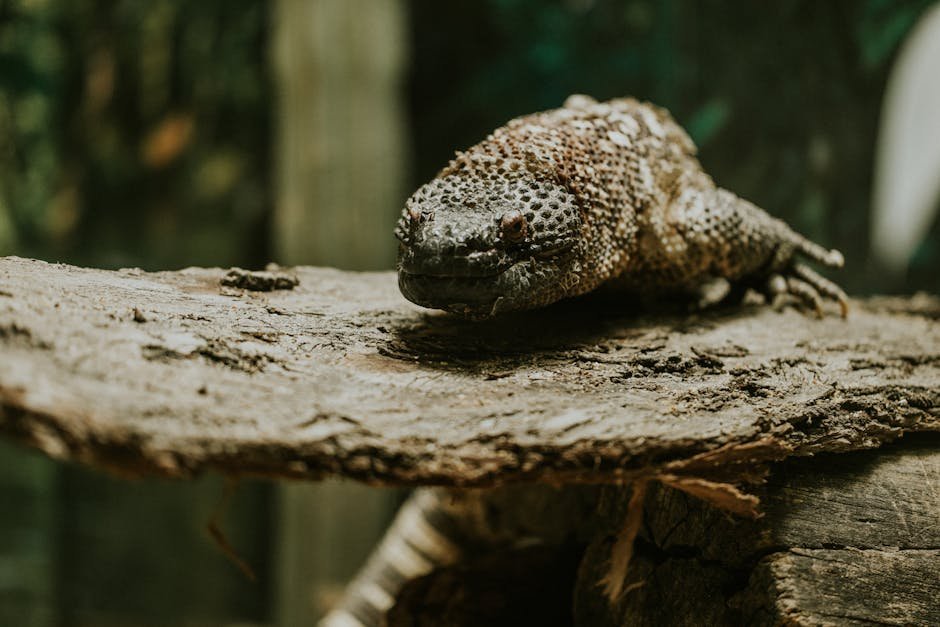
Two main ways came up to deal with this. Over in New York, guys like John Eng started checking out nature. He straight-up opened up Gila monster venom. Slow lizards from the Southwest. Exendin-4 in their bite. Get this: it looked just like GLP-1, but stayed active for hours, not minutes. Big score! That led to exenatide, which was Byetta in 2005.
And another thing: over in Denmark at Novo Nordisk, this scientist, Lotte Bjerre Knudsen? She cooked up something different. Her crew figured out how to hook fatty acid chains onto GLP-1. Make it grab onto albumin, a common blood protein. This bigger, chunkier design meant your kidneys didn’t filter it out super fast. The whole point? A shot just once a day. This clever thinking gave us liraglutide, later called Victoza. And then, the big Kahuna: semaglutide, the stuff in Ozempic and Wegovy. Seriously, that molecule basically won the lottery.
The Rocky Road: A History of Hesitation in Weight Loss Drugs
Let’s just be honest: weight loss meds always had a weird rep. The history? Pretty messed up. We’re talking amphetamines in the ’40s and ’50s. Basically, tweaked meth for weight loss. Wild. Later, in the ‘90s, the combo drug Fen-Phen got super popular. Then pulled off shelves. Major heart issues. Pharma companies? Totally burned.
This messed up things for any new research. Even in 2005, a Novo Nordisk CEO totally brushed off obesity. Said it was just “social and cultural,” “no business” in it for them. You can kinda feel that fear. The risk just looked too high. But things shifted. By 2013, though, the American Medical Association (AMA) finally said obesity was a disease. Not just “bad choices.” Game on. Market was ready. If drugs were safer, worked better.
TikTok’s Unscripted Role: Word-of-Mouth Marketing Goes Viral
Remember 2022? Seemed like everyone in California and everywhere else was yakking about Ozempic. The hashtag just exploded on TikTok. Hundreds of millions of views. Insane. Celebs, influencers, normal people. All talking about their lives. Not a fancy drug ad. No long medical warnings. Felt real.
Because it was basically old-school word-of-mouth. Just, you know, internet-style. A huge organic push that skipped all the usual channels. Folks posted experiences. Not just cold facts. Suddenly, demand went nuts. Even huge pharmaceutical companies couldn’t predict it. Or control it. Meds made for type 2 diabetes became household names, overnight. That social media boom? Totally pushed GLP-1s into everyone’s conversations.
Reshaping Pharma: Increased Investment in Weight Loss Research
The win of GLP-1 drugs? Didn’t just crush sales records; it totally changed how the whole drug industry saw weight loss. That old ‘doubt’ feeling? Poof. Gone. Now, practically every big pharma is dumping money into trying to cook up new treatments.
Eli Lilly, for example, dropped tirzepatide. Mounjaro for diabetes, Zepbound for obesity. Dual action. Hits GLP-1 and an extra receptor, GIP. Some people losing over 20% of their body weight. Wild. And the innovation isn’t stopping. Triple agonist soon. Retatrutide. Also, a pill version of GLP-1. Small molecule. Supposed to survive your gut way better than others. The future for weight loss meds? Man, it’s hella bright. All because of the GLP-1 boom.
The Shortage and the Compounders: FDA Warnings and Market Chaos
With demand going through the roof and TikTok fueling the hype, a total mess brewed. Novo Nordisk had a plant shut down for a bit in late 2021. So, not enough supply. The FDA officially said Wegovy was short in March 2022. Ozempic went short in August. And Mounjaro? Next in line. Bummer.
Shortage. Opened a door for compounding pharmacies. These places make custom meds. Good for allergies or weird dosages. The crazy part? Shortage means they can even whip up patented drugs. But these homemade versions? Used stuff not checked as closely. Like semaglutide salts. Or lab-grade components. The FDA dropped some serious warnings. Reminded everyone these compounded versions weren’t the approved, name-brand drugs. And didn’t get the same tough testing. No way. Both Novo Nordisk and Lilly acted fast. Got production revved up. Built new places. To fix supply. And get their market back.
The Minds Behind the Breakthroughs: Key Players in GLP-1 Development
This wasn’t just one person, obviously. Getting GLP-1 agonists where they are today? Pure proof of scientists being super curious. And working together. Major props go to:
- Svetlana Mojsov: She figured out the biologically active GLP-1. Showed what it could do.
- Dr. John Eng: He really dug into Gila monster venom. And, boom, found Exendin-4. This stuff lasts way longer!
- Lotte Bjerre Knudsen at Novo Nordisk: She pushed hard for changing it chemically. Figured out that albumin-binding trick. That led to Victoza. And later, the powerhouse Ozempic and Wegovy. Seriously.
These people? Super smart. Even when others doubted them or things hit dead ends. They built the base for these game-changing drugs. Just goes to show, sometimes the biggest stuff needs scientists to think way outside the box.
Quick Questions You Might Have
What’s different about Ozempic and Wegovy?
Both have semaglutide. Same basic stuff. But the main difference? FDA sign-off. And how much you take. Ozempic is approved for type 2 diabetes, usually lower doses. Wegovy? That’s specifically for managing weight over time. And usually higher doses.
Why was there even a shortage of GLP-1 drugs like Ozempic and Wegovy?
Man, it was a whole combo of things. Super high demand from all the TikTok buzz, big time. Plus, a production factory for Novo Nordisk shut down for a bit. Supply just couldn’t keep up with everyone wanting it.
So, are compounded versions of GLP-1 drugs exactly the same as the real ones?
Nope. Not at all. Sure, compounding pharmacies can make patented drugs when there’s a shortage. But their versions? Not FDA-approved. They might use different forms of the active ingredient (like weird salts). Or even just research-grade stuff. Not held to the same strict quality rules as the name-brand drugs. The FDA even put out warnings about these big differences. Be careful.