5 Tips for Your Art Game: How to Get Better
So, ever wonder what separates the good artists from the really great ones out here in California? Not just talent. It’s really about some basic artist qualities folks can pick up. Doesn’t matter if you’re sketching in a bustling Silver Lake cafe. Or painting a Pacific sunset. Not just traits, these are legit tips. Stuff that really helps you grow.
We’re talking the deep stuff. Grit. Insight. To become an artist who truly stands out, ya know? Not just another pretty picture.
Learn to See Stuff
Okay, so good artists? They watch everything. Everything’s a shape. That random stack of books? Shapes. Dude sipping coffee across the room? More than just a person. Light. Shadow. A whole vibe.
And it means just noticing. Simple. The way light hits the Bay, how colors fade or pop depending on the sun. Angles too. Try sketching a river. Catch that light on the water. Different game!
But outside landscapes? People! Massive. Great artists study bodies, yeah. But also quick looks, slouched shoulders. Tiny convo details. Those are the little bits. Art lives! Look past the obvious. Big time change for your art.
Hang In There, Seriously
Artist life? Nah, not easy. Most good artists? Came from hardship. Poverty. Struggle. But they kept at it. Smashed it. Way past the rest.
How’d they do it? Grit. Super patient. Super tough. Art’s the process, not just the end. And you learn so much along the way. Your craft? Yourself?
Because if you bail on a piece ’cause it’s not perfect right now? Big mistake. Opportunity lost. Stop chasing instant perfection. Unrealistic. Especially these days. Mistakes? Love ’em. Look at ’em. What messed up? Next time, change what? Second try? Always better. Maybe not perfect, but way, way better.
Break the Rules
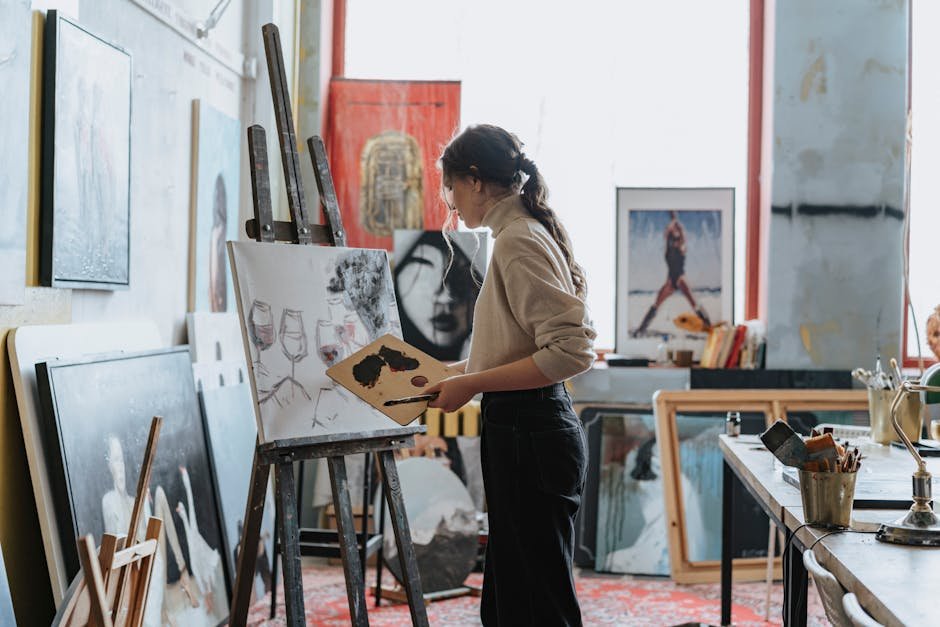
Comfort zones. Bad news for art. Stuck with charcoal but wanna try pastels or oils? Smash through that. Fear holds you back.
Wanna explore wild stuff? Dark art? Nudes? Go there. And yeah, people will hate. Call it not “real art.” But if it’s you? Do it. Don’t hide your true style.
And that feeling like you suck? It’s a lie. Push through. Apply to that gallery! Instagram page? Start it. Sell stuff online. Get a collection for your show. Because every step out of your comfy bubble isn’t just tough—it’s a massive leap for your art.
Roll With It
Stuff almost never goes as planned. Especially with art. Flexibility means you change when your perfect plan breaks. Don’t whine. Pivot. Twist the problem. Get a cool fix from a curveball.
Less rigid plans, more right-brain flow. Just wing it. No exact photo reference? Go take your own. My buddy caught a perfect pose just walking for an hour. What you got? Use it.
And hey, who says a show needs one medium, one style? Yeah, it’s normal. But why not charcoal, watercolors, and oils? Or a wild mix of colors, subjects? Don’t let ‘normal’ kill your art. Break it.
Stay Curious!
“What if I drew this way? What if this color, even if it’s ‘wrong’? Teacher said that, but… what about this tone?” This asking stuff? Pure gold for your art.
Curiosity helps you grow. Not gossip. It’s asking deep questions. To truly get art. Every answer? New question. You dive deeper. You’ll totally know your stuff.
Paint mixing, for example. People say, “No acrylic and oil!” But why? My client? Asked. Mixed ’em anyway. Looked fine. It’s not “won’t work.” It’s about how long it lasts. Acrylic on oil? Nope. Oil on acrylic? Maybe. But long term? Cracks. Fades. Old Renaissance stuff? Still bright today. Good storage. Just ask ‘why.’ That’s how you get your craft. Keep those artist qualities killer.
So, no fear. Love the mess. And keep that brain buzzing. Your art journey? It’s yours. One stroke. Go for it.
Quick Q&A:
So, why’s seeing stuff important for artists?
Because good ‘seeing’ lets artists really pick out shapes, colors, light, shadows in regular life. And bodies too. It’s a huge well of ideas. Others just miss it.
Patience in art? What’s the deal?
Big deal. Art takes time. It helps artists learn from screw-ups, focus on the whole trip, not just the end. And stick with tough projects without quitting early.
Can you mix acrylics and oils?
You can (oil on acrylic, but not real good the other way). But usually, nah. Not for lasting art. Can crack, peel, fade later. Old oil paintings? Still good. Because they did it right back then.