Lolita’s Story: Real Talk on Ethical Marine Wildlife California
Ever wonder what goes on past the shiny front of marine parks? Lolita’s story, about an orca snatched decades ago, is a huge wake-up call. It screams volumes about Ethical Marine Wildlife California practices. And what we, as visitors, just gotta demand. Back in the 70s, a four-year-old killer whale was torn right from her family in Washington waters. Barely a calf, she was headed straight for a concrete tank. And human shows.
Her name? Lolita. Just one of dozens of orcas nabbed for marine shows back then.
Lolita’s Long Lock-Up Was Devastating
Lolita’s tank was hella small. Pathetically so. People figured she’d live maybe twenty years, tops. But she surprised everyone, performing daily, going show after show, always returning to a tiny little box, like twenty square meters. All while her family roamed the vast, big ocean. That’s a huge contrast.
She survived, somehow. Lived to be 53 years old in that tight space. Fifty years of concrete walls. No ocean currents. Fifty years of scheduled performances, instead of actual hunting and family stuff. The price paid by such smart creatures is huge. Often fatal.
They Fought for Lolita’s Freedom. Finally
For years, animal rights activists fought for her. A relentless, often thankless battle to get Lolita out. They just knew her story was more than one whale; it was a symbol. A symbol of injustice.
Finally, a victory. In 2022, the park got new bosses. The new owners agreed. Lolita would be released to the Pacific in 2023. Everyone globally held their breath.
But the wait was too long. Weeks before her planned return to the ocean, after more than 50 years of cruel confinement, Lolita died in her tiny tank. A gut-wrenching end. A life stolen.
Ethical Choices Here in California. We Need ‘Em
Lolita’s story? It’s a gut-punch. It forces us to ask tough questions about the entertainment we pay for. Here in California, we’ve got a progressive spirit when it comes to animal welfare, you know? That means we should actively select wisely.
Seriously, think twice before visiting any place that keeps whales in captivity. Is a tank really the right home for animals that travel hundreds of miles a day in groups? Nope.
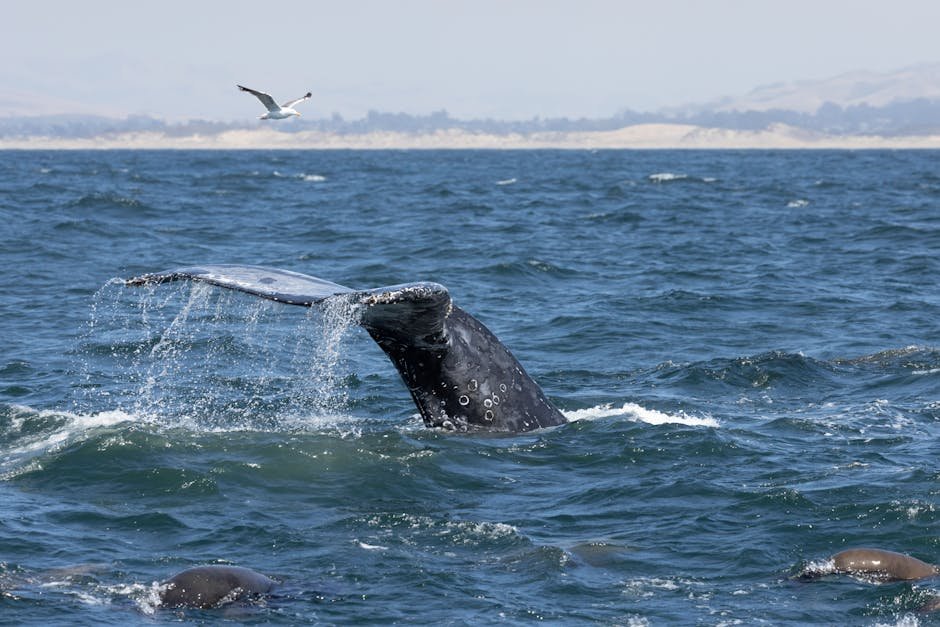
Instead, back responsible outfits. Whale watching tours that respect places animals live. Organizations all about saving the ocean. And another thing: That’s the real California experience.
Just Protect Orcas in the Wild. Simple
The message is clear: these animals belong in the ocean. Their complex social structures, their incredible migrations, their very existence depends on a healthy, wild environment. Not a concrete pool.
Conservation isn’t just about saving species, it’s about keeping whole natural systems safe. It means protecting the huge, diverse homes of marine animals, making sure they can thrive, free from human meddling or using them.
Lolita’s Story Shakes Up Our View on Marine Parks Here in CA
We’re past the point when keeping highly intelligent marine mammals in tiny tanks was considered okay. This isn’t a chill spot for vacation fun anymore. California prides itself on being forward-thinking. Our actions as consumers should totally show it.
Lolita’s life, and her death, should be a constant reminder. Her story screams that we push for better. Because we need a world where whales swim free. A world where our entertainment just doesn’t come at such an awful price.
FAQs
Q: So, where’d they get Lolita and when?
A: Lolita, a four-year-old killer whale, was captured in Washington waters in the 1970s.
Q: How long was she stuck?
A: She was held captive for over 50 years. Rough.
Q: And what happened in the end?
A: Weeks before her planned ocean return in 2023, she sadly passed away in her small tank. She was 53.